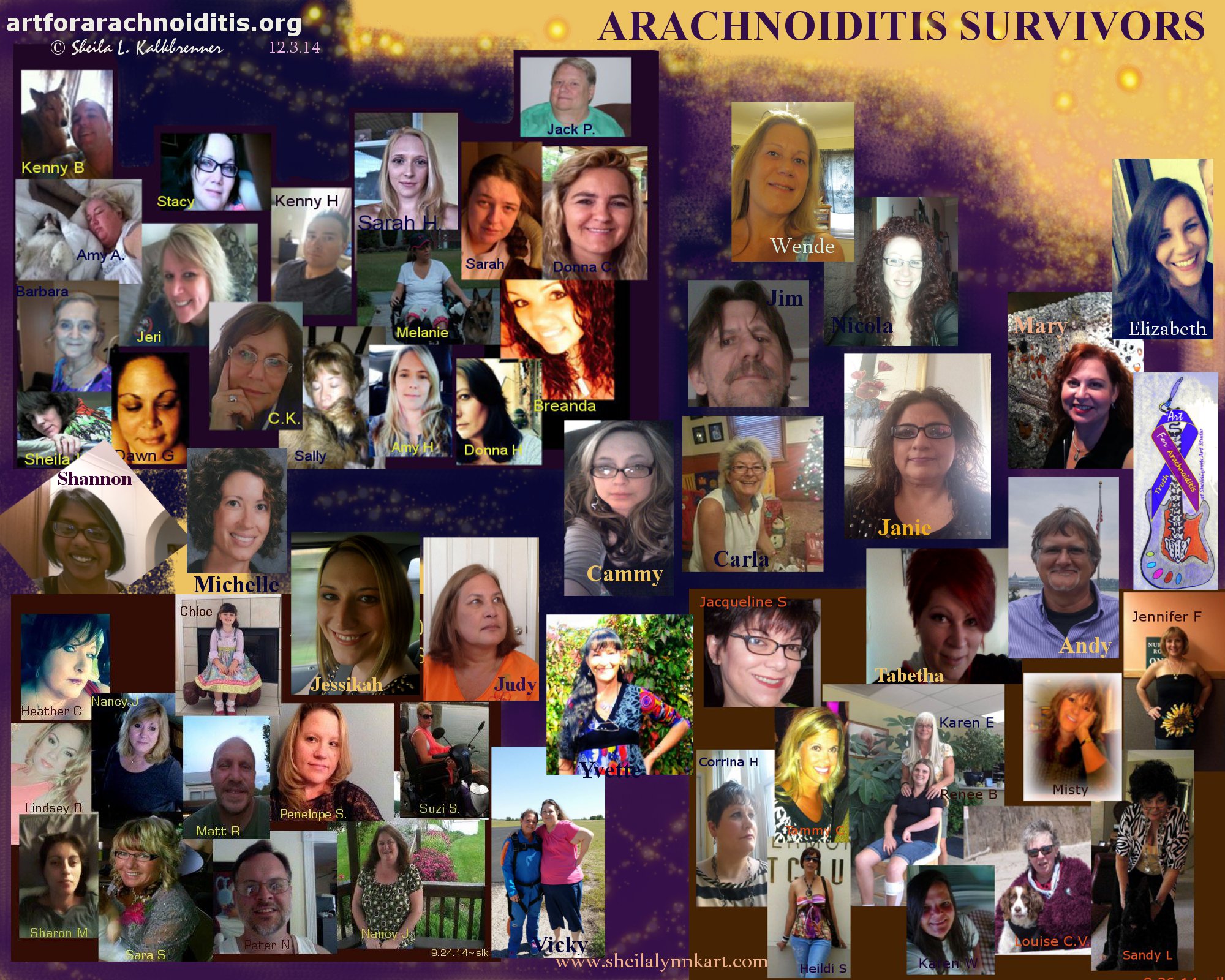
Anyone in the world surviving with an Arachnoiditis Diagnosis is welcome to submit a selfie to this album.

Anyone in the world surviving with an Arachnoiditis Diagnosis is welcome to submit a selfie to this album.

“Create a Zentangle-inspired creation” is #6 on the list from
10 Easy Art Therapy Techniques To Help You De-Stress
The Huffington Post | By Priscilla Frank
“Zentangle is a drawing method invented by Rick Roberts and Maria Thomas, designed to make drawing meditative and accessible to all. To learn the official method you must be taught by a Zentangle Teacher, but you can recreate the basic idea on your own. Use a piece of paper, cut into a 3.5″ square piece, and draw a freehand border around the edge in light pencil. Then use your pencil to draw a curved line or squiggle within the border, called a “string”.
Now switch to a pen and begin drawing a “tangle,” a series of patterns and shapes around your “string” and voila! You got yourself a Zentangle. The process is designed to encourage deliberate, ritual creation and allow room for human error — no erasing, that’s against the rules. Traditional Zentangles are always black and white but we fully support experimenting with color. The entire process shouldn’t take more than 15 minutes, and can be repeated whenever you feel the urge. Keep some 3.5″ squares handy so you can always create when inspiration strikes”. ~ PF
To demonstrate the ways in which Arachnoiditis Survivors benefit from participation in the Arts, The Art For Arachnoiditis Project includes Art By Survivors. Survivors are invited to share their original artwork from self-designed projects and from the healing activities described here.
Descriptions and comments about how you benefit or additional input about what might be helpful in the future activities are also welcome.
There is no obligation to share images of your finished healing art activities. However, you are welcome to do so in this thread or in a private message for possible inclusion in the Art By Survivors portion of the Art For Arachnoiditis Project public exhibition. Be sure to specify if you would like to be named or remain anonymous at the exhibition. Here is the Project Registration Form .
______________________________________________________
“Art therapy is a form of therapy that encourages creativity and self-expression as vehicles to reduce stress, improve self-esteem, increase awareness and help remedy trauma. While many other forms of therapy depend on verbal language to express feelings and overcome personal obstacles, art therapy allows for other, more abstract forms of communication. This tactic makes room for elements of the subconscious that perhaps are not yet ready or able to be verbalized come to the surface.
You do not have to be an artist to enjoy the benefits of art therapy. In fact, most of the exercises rely not on the final product you create but on the therapeutic, meditative ritual of the creative process. If you’re intrigued by the process of relaxation through artistic imagination, we’ve compiled a starter kit to get you on your way.
The following suggestions are simple ways to explore your inner creative voice while turning off the negative influences that so often get in the way. They may not all work for you, but hopefully one or more of the following techniques will serve as the artistic equivalent of a long, hot bath.”~PF
WANDER LAND CARDS; emergency supplies for the blizzard
Coping with obstruction of cerebrospinal fluid rotation caused by spinal adhesive arachnoiditis in the thoracic and lumbar spine
There are days when the mind wanders through the OTHER kind of snow…. A simple Wander Land Card can point you in the right direction so you can shovel that junk out of the way.
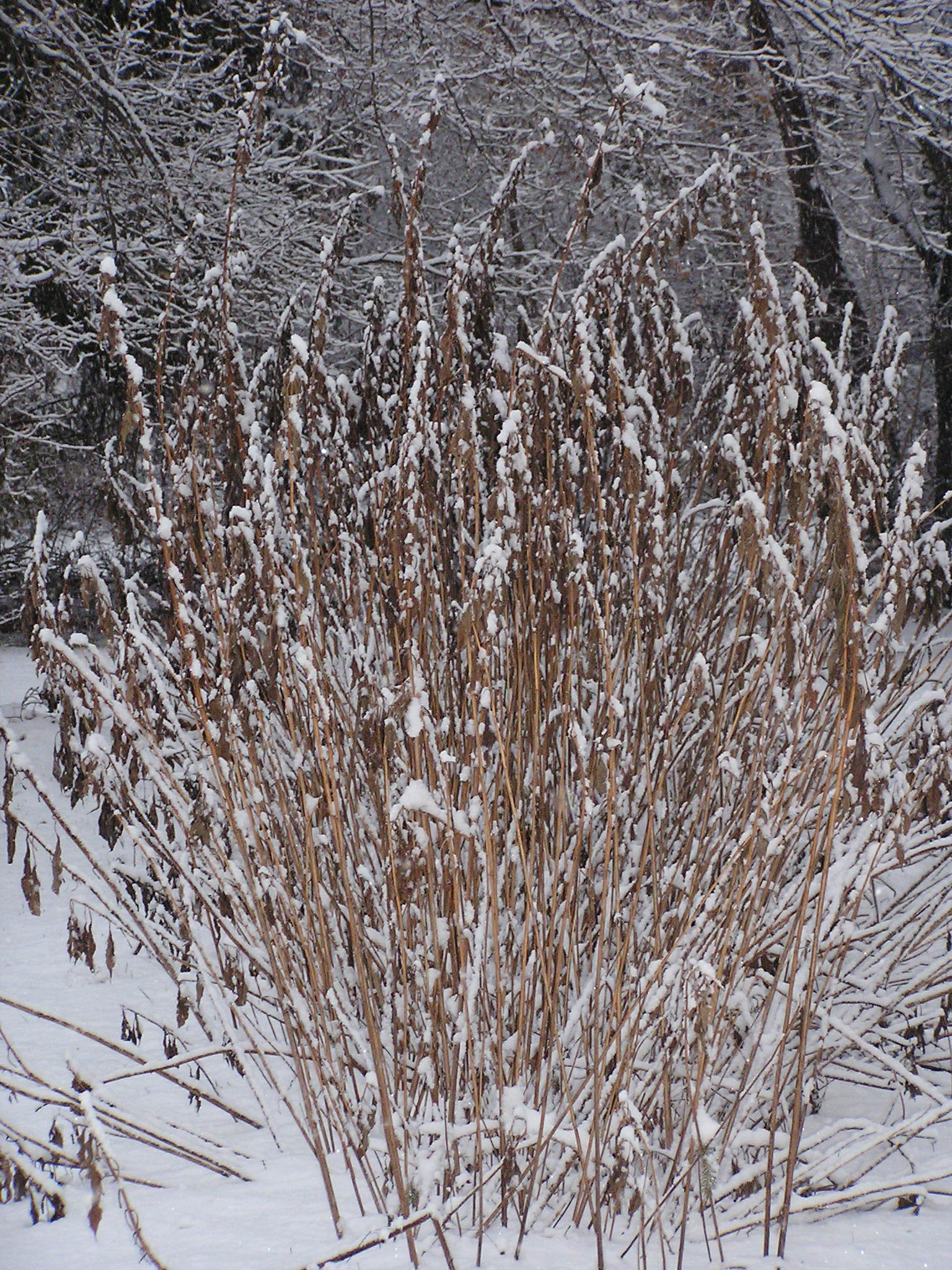
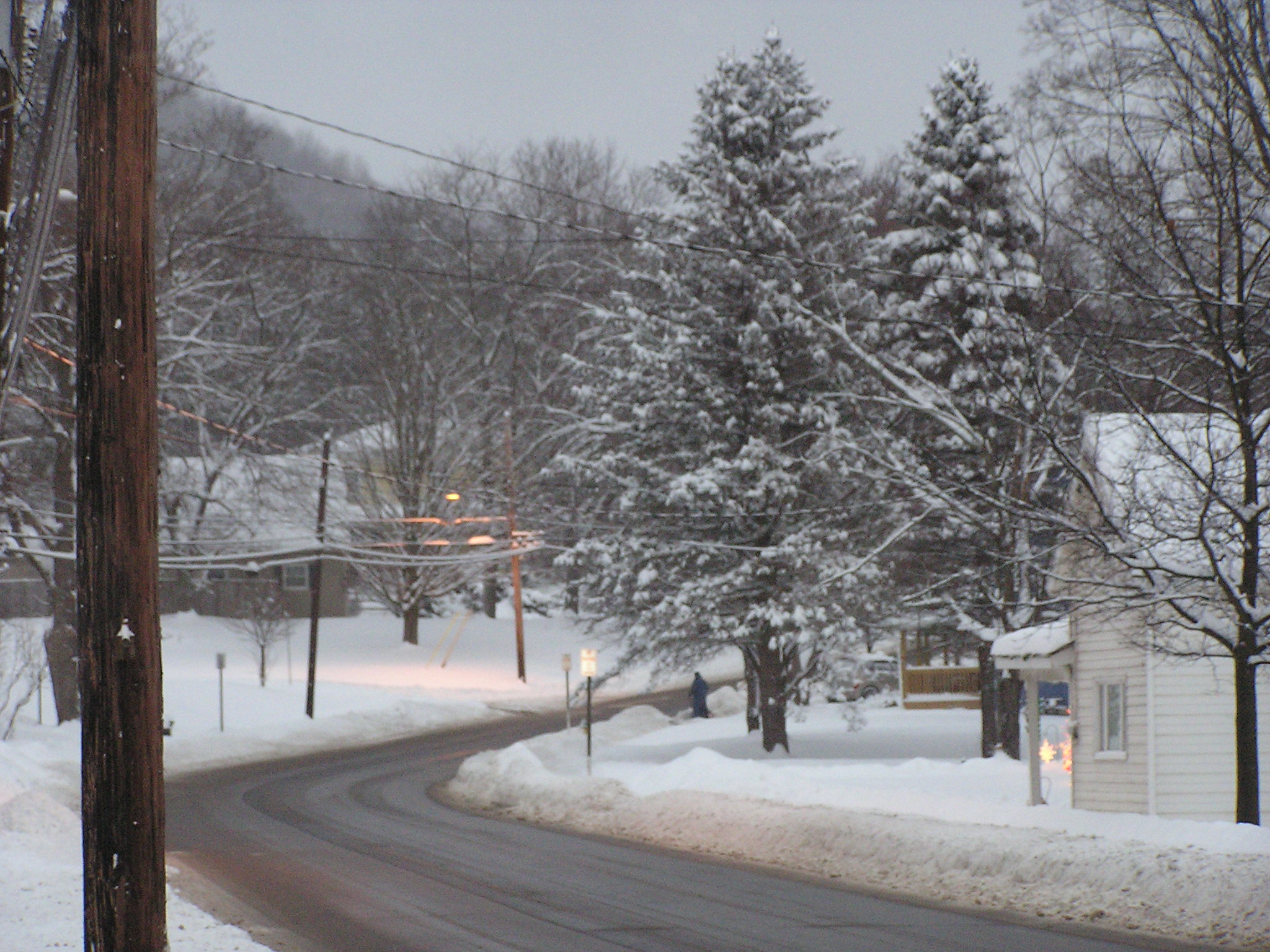
I agree when Lisa Sonora Beam says, “When you’re in the midst of overwhelm, depression or despair, you can’t logically think yourself out. It’s even harder to take action.”
When significant scarring in the subarachnoid space causes an obstruction to the natural Cerebrospinal Fluid (CSF) rotation, these emotional factors may not be the only thing affecting the ability to act and remain in cognitive control.
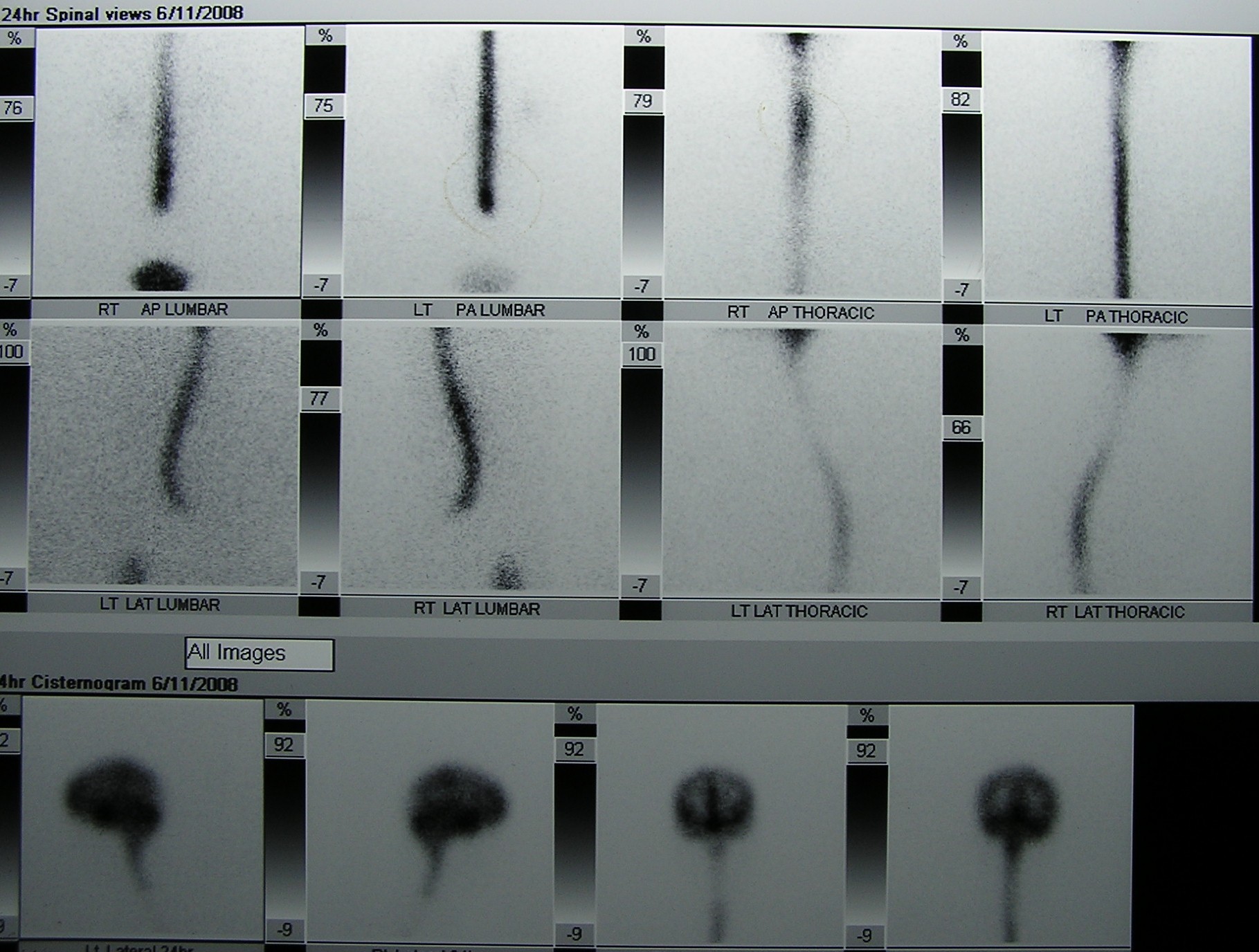
The CSF is crucial to the health, well-being, and FUNCTION of the human brain. Fluctuations in CSF levels can impair cognitive ability. Depending on numerous personal medical, mental, and physical variables; this phenomenon can present in different ways for each individual. For arachnoiditis survivors symptoms of CSF obstruction can mimic those seen in cases of CSF Leak, hydrocephalus, and Chiari Malformation even when those specific conditions are NOT present.
After seven years of living with spinal adhesive arachnoiditis, my family has come to recognize when my CSF levels are low. I begin to resemble a ball in a pin ball machine bouncing from one room to the next without ever doing or achieving anything. When I am in a store I go from aisle to aisle without actually picking anything up off the shelf. My conscious sense of purpose becomes scattered. Though I don’t necessarily feel any unusual(for me) specific physical discomfort at this time, it is an indicator that a full pain flare and spinal headache is on the horizon. Even my dog knows when to tell me to go lay down.
What do I do about this?
PREVENTION is KEY. Three hours of vertical time is my limit before these cognitive issues start to snow all over my mission. Anyone who has followed my story knows that I adjust my work stations and schedule to include horizontal time every three hours. I also use an inversion table at least once a day to help restore fluid to its proper location.
PLANNING for cluelessness helps…
As my work scope increases for the Art For Arachnoiditis Project and my Studio goals, the brain snow has become increasingly irritating. Last month I created a schedule for myself. This is a very specific schedule that blocks out my time by project and by the hour, to focus on critical tasks of a given day. On clear days I allow fluctuation in this schedule. It is not intended as a restriction or limitation. This schedule serves as a valuable resource on those days that everything looks like a polar bear in a snowstorm. I just know that there was something I wanted to accomplish but CANNOT remember what it was. I keep three copies of the list. One is near my bed so that when I wake up in pain I can remember what I wanted to do today. One is near my PC in my office, and one is near my cot so that I can review when I lay down.
KNOWING what you intended to do, does not mean that you cannot forgive yourself for not being able to do it that day. Personally, I like to remember what it is I am forgiving myself FOR.
Shortly after I privately created this schedule for myself, I received this post from Lisa Sonora Beam. Although the end goal is the same, the way she tells it is much more profound than mine… She refers to what I call my “blizzard list” as her Dark Side of the Moon list.
She says, “make lists for what to do during creative overwhelm and despair”. Even if your mission is NOT an art-related one, I think her description of the purpose of the list and how it works is so much better than anything I could do to explain how meaningful and useful this method is to me. I firmly believe that these concepts and methods are transferrable to any mission.
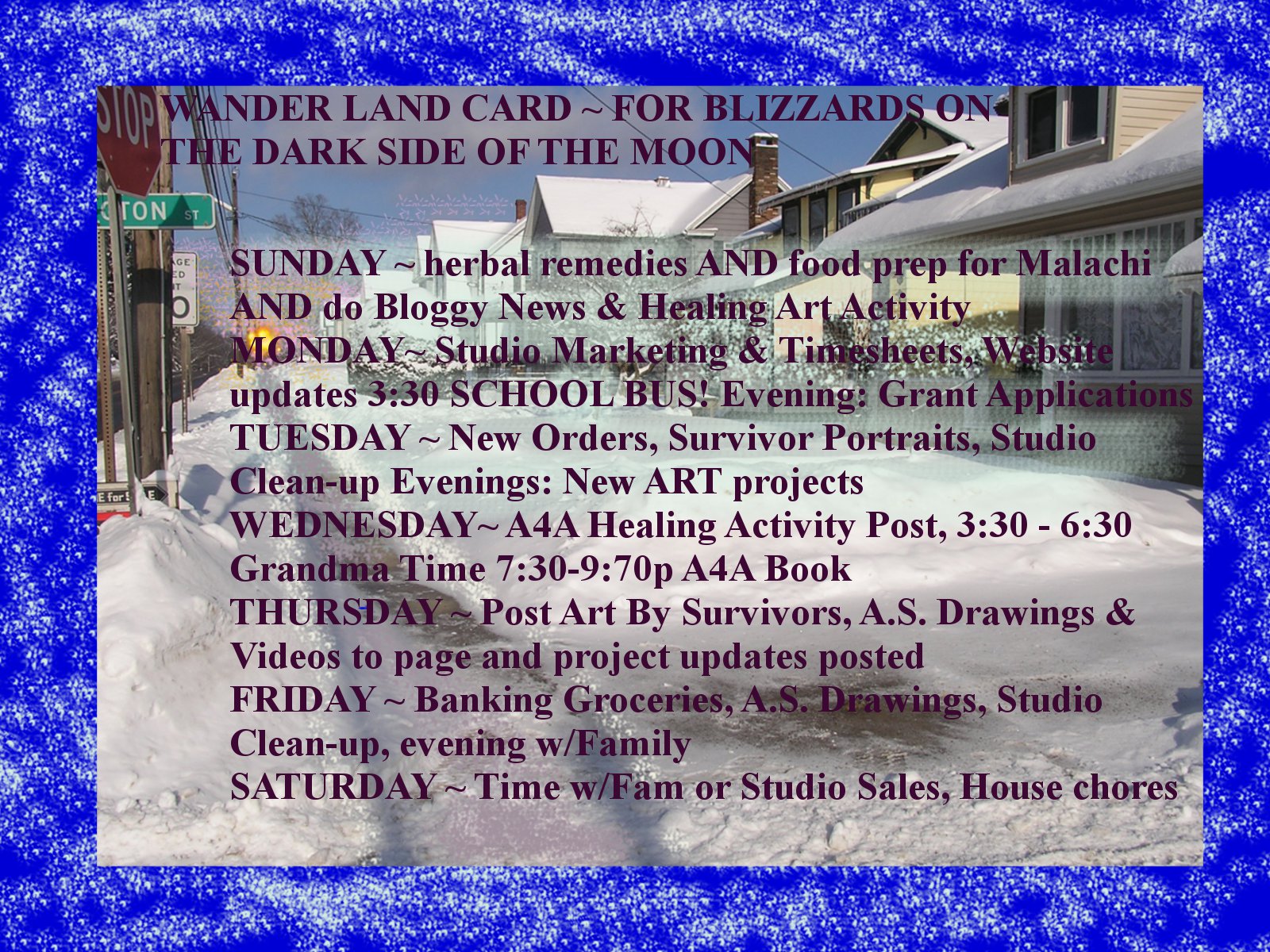
Did you make a Wander Land Card for yourself? What other ways do you cope with these arachnoiditis Blizzards on the Dark Side of the Moon? Tell us about your experience and methods, and/ or share your images in the comments below.
I am an experienced patient, NOT a medical practitioner. Any medical discussion or references here are based entirely on my own personal experience and are not intended as medical advice or guidance. ALWAYS Seek consultation with a trusted medical professional prior to making any assumptions about diagnosis or changes to treatment.
MEDICAL RESOURCES
Cerebrospinal Fluid (CSF) Leaks
Cerebrospinal fluid – function, production and circulation – animation by Cal Shipley, M.D.
Cerebrospinal Fluid Research {BIO MED Central}
Neuropathology CHAPTER 14 CEREBROSPINAL FLUID
Chiari Malformation; Anatomy of Chiari and CSF
Neuropsychological Findings In Congenital and Acquired Childhood Hydrocephalus
Vitamin D in relation to cognitive impairment, cerebrospinal fluid biomarkers, and brain volumes
To demonstrate the ways in which Arachnoiditis Survivors benefit from participation in the Arts, The Art For Arachnoiditis Project includes Art By Survivors. Survivors are invited to share their original artwork from self-designed projects and from the healing activities described here.
Descriptions and comments about how you benefit or additional input about what might be helpful in the future activities are also welcome.
There is no obligation to share images of your finished healing art activities. However, you are welcome to do so in this thread or in a private message for possible inclusion in the Art By Survivors portion of the Art For Arachnoiditis Project public exhibition. Be sure to specify if you would like to be named or remain anonymous at the exhibition. Here is the Project Registration Form .
This first series of activities is from
10 Easy Art Therapy Techniques To Help You De-Stress
The Huffington Post | By Priscilla Frank
“Art therapy is a form of therapy that encourages creativity and self-expression as vehicles to reduce stress, improve self-esteem, increase awareness and help remedy trauma. While many other forms of therapy depend on verbal language to express feelings and overcome personal obstacles, art therapy allows for other, more abstract forms of communication. This tactic makes room for elements of the subconscious that perhaps are not yet ready or able to be verbalized come to the surface.
You do not have to be an artist to enjoy the benefits of art therapy. In fact, most of the exercises rely not on the final product you create but on the therapeutic, meditative ritual of the creative process. If you’re intrigued by the process of relaxation through artistic imagination, we’ve compiled a starter kit to get you on your way.
The following suggestions are simple ways to explore your inner creative voice while turning off the negative influences that so often get in the way. They may not all work for you, but hopefully one or more of the following techniques will serve as the artistic equivalent of a long, hot bath.”
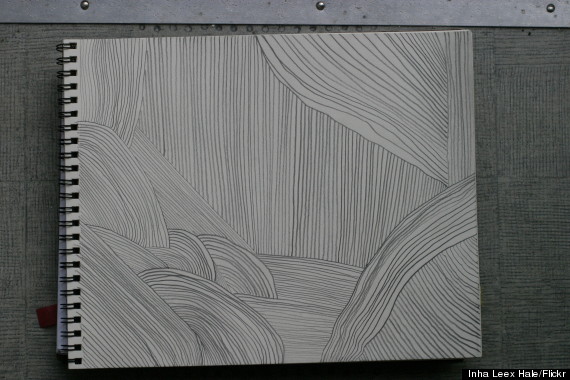
“So much of the stress we experience when making art comes from the judgments and criticism that seem unavoidable every step of the way. Try creating artwork in total darkness to make art free from that inner art critic inside your head. (Think of it as a form of blind contour drawing.) You’re suddenly freed up to create lines, shapes and patterns simply because you feel like you should. When you turn back on the lights, we suspect you’ll be surprised by what you find.” ~PF
Watercolor your bodily state

“Lie down and close your eyes. Visualize your body as you breathe in and out. Try to imagine your breath as a particular color as it enters your body, another color as it exits. What do you see? Draw an outline of a body on a large sheet of paper, and inside, create a watercolor based on your bodily state. Think about what these colors mean to you, where they are densest, where they are most opaque. Think of this as the most relaxing self-portrait you’ll ever create.” ~PF
Wishing all of you a low pain day. ~slk
This first series of activities is from
10 Easy Art Therapy Techniques To Help You De-Stress
The Huffington Post | By Priscilla Frank
“Art therapy is a form of therapy that encourages creativity and self-expression as vehicles to reduce stress, improve self-esteem, increase awareness and help remedy trauma. While many other forms of therapy depend on verbal language to express feelings and overcome personal obstacles, art therapy allows for other, more abstract forms of communication. This tactic makes room for elements of the subconscious that perhaps are not yet ready or able to be verbalized come to the surface.
You do not have to be an artist to enjoy the benefits of art therapy. In fact, most of the exercises rely not on the final product you create but on the therapeutic, meditative ritual of the creative process. If you’re intrigued by the process of relaxation through artistic imagination, we’ve compiled a starter kit to get you on your way.
The following suggestions are simple ways to explore your inner creative voice while turning off the negative influences that so often get in the way. They may not all work for you, but hopefully one or more of the following techniques will serve as the artistic equivalent of a long, hot bath.”
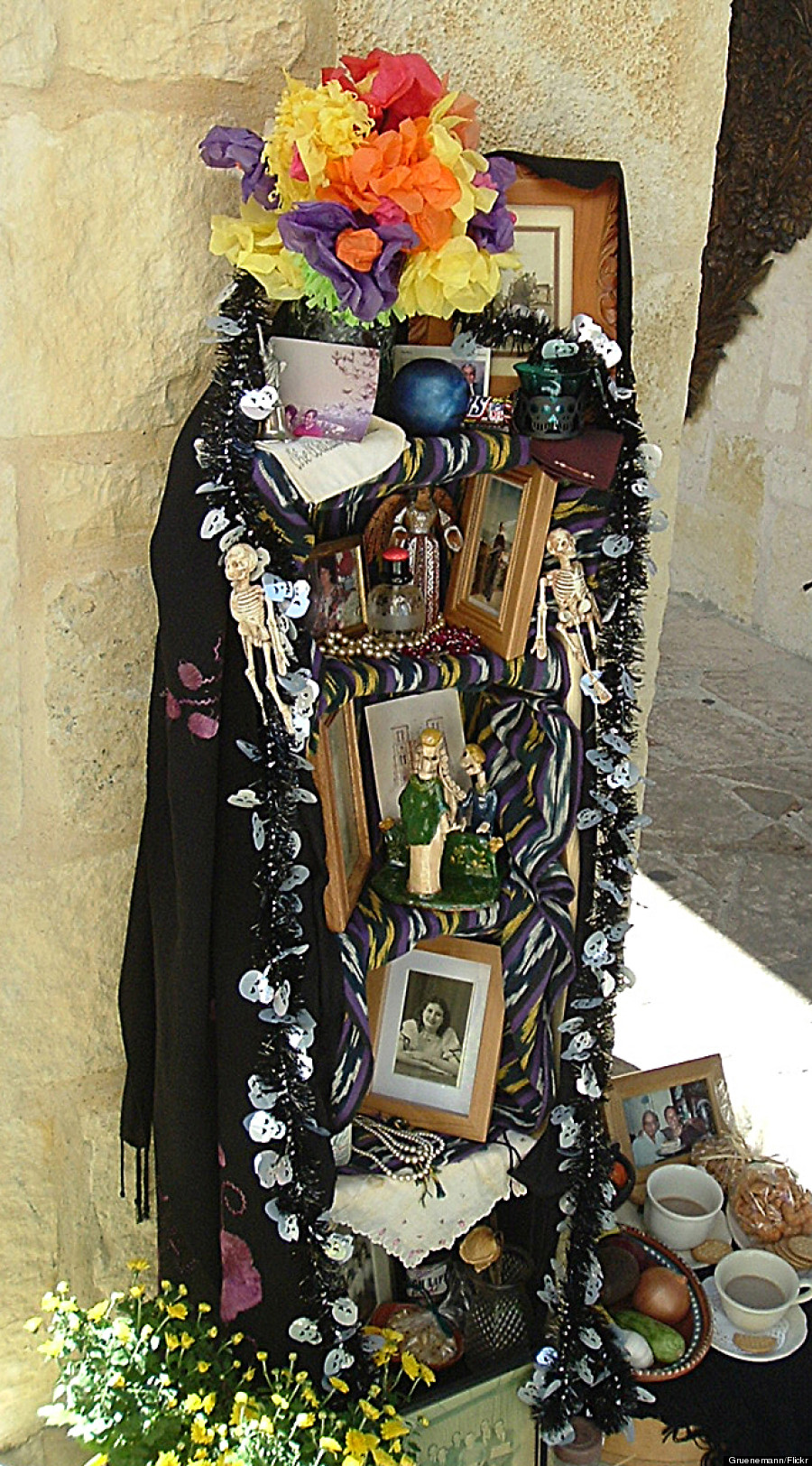
“Take inspiration from folk art and create an altar honoring a unique relationship between you and another person, living or not. Decorate the shrine with photographs, letters and relics of memorable times spent together, as well as new art objects you’ve created in their honor. Anything can become artistic material, from gifts you’ve exchanged to a candy wrapper you know your subject would love. Building a totem to another person awakens memories and creates a physical manifestation of a relationship that can provide comfort in tough times.” ~ PF
Creating a physical manifestation to honor the relationship between both sides of yourself becomes an empowering totem which promotes an inner acceptance of you. Some other things you might want to consider as artistic material: memorabilia of a victory or milestone achieved, an obstacle you have overcome, a grocery receipt for healthy foods that support your recovery, a teabag tag that gave a few minutes of grace in an otherwise horrendous day, a leaf of many colors or any object that reminded you of the beauty that still exists in the world, a case number to show you are in pursuit of justice, a photograph of quality time you have spent with a child, and any other found or created object which celebrates your achievements- great and small.
There is no obligation to share images of your finished healing art activities. However, you are welcome to do so in this thread or in a private message for possible inclusion in the Art By Survivors portion of the Art For Arachnoiditis Project public exhibition. Be sure to specify if you would like to be named or remain anonymous at the exhibition. Here is the Project Registration Form .

ADDITIONAL PROJECT DETAILS ARE AVAILABLE IN THE LINKS BELOW:
Art For Arachnoiditis Project Summary
Arachnoiditis Survivor: A Portrait of Resilience Against Patient Harm In America
Art By Arachnoiditis Survivors~The Gallery & Items for Sale to benefit the project. More about the development of this empowerment project website: artforarachnoiditis.org
If you know a survivor and would like to support the Art For Arachnoiditis Project on his/her behalf you can Become a Sponsor or Support the Project and Find Additional Arachnoiditis Awareness Merchandise at Bravelets $10 of each purchase supports Art For Arachnoiditis.
Arachnoiditis Awareness Merchandise also available at Zazzle
Art For Arachnoiditis Project Post Cards and T-shirts from the See.Me Gallery:
$1 of each post card purchase benefits the Art For Arachnoiditis Project “Send your 4″ x 6″ standard postcard anywhere in the world! No additional shipping will be added.”
$10 of each T-shirt purchase benefits the Art For Arachnoiditis Project. “Gorgeous one-of-a-kind, all-over-printed front and back t-shirts created by you. Shirts are 100% polyester. $40.00 (Please note that because of the special printing process we use, some t-shirts may have some minor white creases, including under the arms, and may lose about 0.5 inches of the design around the edges of the shirt.)We aim to print and ship your custom shirt within 7 to 10 days of your order. Shipping costs will be added at checkout based on your shipping address.”

This first series of activities is from
10 Easy Art Therapy Techniques To Help You De-Stress
The Huffington Post | By Priscilla Frank
“Art therapy is a form of therapy that encourages creativity and self-expression as vehicles to reduce stress, improve self-esteem, increase awareness and help remedy trauma. While many other forms of therapy depend on verbal language to express feelings and overcome personal obstacles, art therapy allows for other, more abstract forms of communication. This tactic makes room for elements of the subconscious that perhaps are not yet ready or able to be verbalized come to the surface.
You do not have to be an artist to enjoy the benefits of art therapy. In fact, most of the exercises rely not on the final product you create but on the therapeutic, meditative ritual of the creative process. If you’re intrigued by the process of relaxation through artistic imagination, we’ve compiled a starter kit to get you on your way.
The following suggestions are simple ways to explore your inner creative voice while turning off the negative influences that so often get in the way. They may not all work for you, but hopefully one or more of the following techniques will serve as the artistic equivalent of a long, hot bath.”
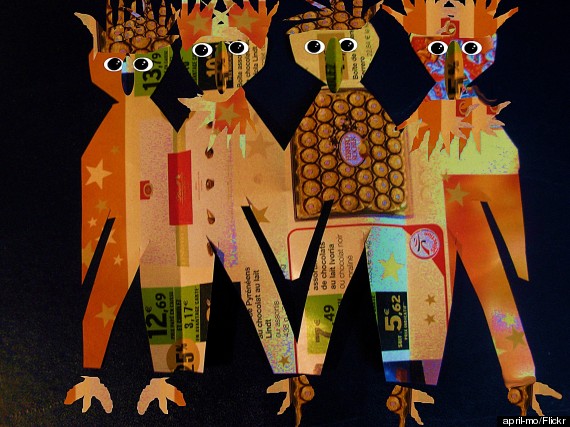
“Create a painting on a material like paper or cardboard. When you’re finished, cut or tear it up. Then use the pieces as building blocks for a new artwork — a collage. See how your original artwork transforms into something new and exciting, something unpredictable. This exercise illuminates the close proximity between creation and destruction, encouraging us to take risks to push ourselves creatively and in other aspects of life.”
There is no obligation to share images of your finished healing art activities. However, you are welcome to do so in this thread or in a private message for possible inclusion in the Art By Survivors portion of the Art For Arachnoiditis Project public exhibition. Be sure to specify if you would like to be named or remain anonymous at the exhibition. Here is the Project Registration Form .

Get the Registration Form or The Art For Arachnoiditis Project Facebook Page under Business & Forms.
Find out more about the Fountain Arts Center in Belmont, NY.
It is freezing out here…and supposed to get colder. It seems like a good time to start a series to help cope with winter confinement.
This series of healing art activities begins with
10 Easy Art Therapy Techniques To Help You De-Stress
The Huffington Post | By Priscilla Frank
“Art therapy is a form of therapy that encourages creativity and self-expression as vehicles to reduce stress, improve self-esteem, increase awareness and help remedy trauma. While many other forms of therapy depend on verbal language to express feelings and overcome personal obstacles, art therapy allows for other, more abstract forms of communication. This tactic makes room for elements of the subconscious that perhaps are not yet ready or able to be verbalized come to the surface.
You do not have to be an artist to enjoy the benefits of art therapy. In fact, most of the exercises rely not on the final product you create but on the therapeutic, meditative ritual of the creative process. If you’re intrigued by the process of relaxation through artistic imagination, we’ve compiled a starter kit to get you on your way.
The following suggestions are simple ways to explore your inner creative voice while turning off the negative influences that so often get in the way. They may not all work for you, but hopefully one or more of the following techniques will serve as the artistic equivalent of a long, hot bath.”
FIRST ACTIVITY
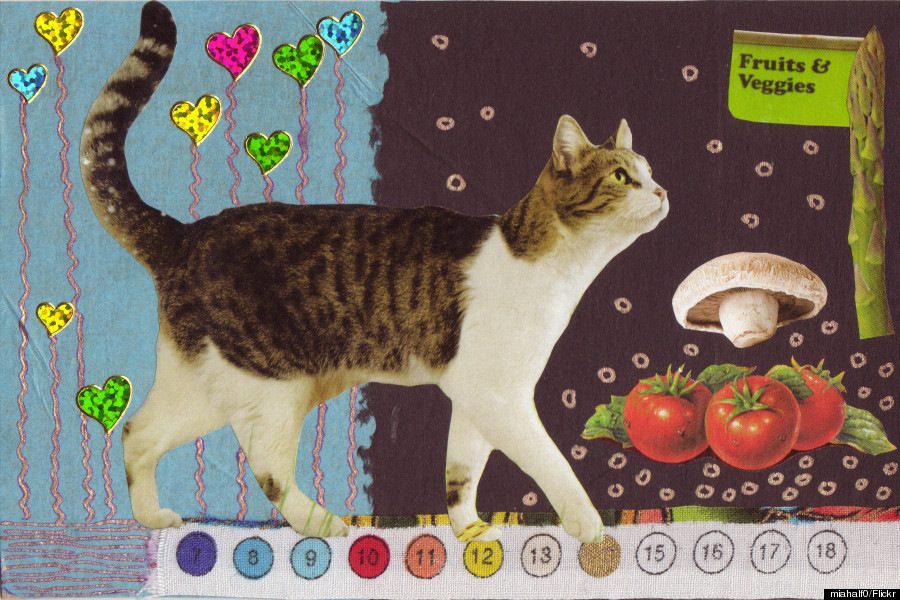
Whether it’s a love note to someone you’re not ready to confess your feelings to, or an angry rant you know is better left unsaid, sometimes enumerating all the details helps deflate the issue at hand. While writing the text can be therapeutic in its own right, designing the postcard gives even more value to the object. It also allows you to activate different portions of your brain while relaxing in a manner similar to coloring in a coloring book. Once you toss that signed and sealed letter in the trash (or tuck it away in a drawer), you’ll find its message has lost some of its power.”
There is no obligation to share images of your finished healing art activities. However, you are welcome to do so in this thread or in a private message for possible inclusion in the Art By Survivors portion of the Art For Arachnoiditis Project public exhibition. Be sure to specify if you would like to be named or remain anonymous at the exhibition. Here is the Project Registration Form .
I originally saw the article in my news feed from The Art Therapy Alliance.
Arachnoiditis Survivor, Kenny Brooks
Is a former firefighter living in West Virginia with his dog Bailey. He is an arachnoiditis survivor. Following multiple back surgeries he was diagnosed with adhesive arachnoiditis ~ empty sac sign and associated complications. Because arachnoiditis can occur throughout the spinal canal, there is a diverse presentation of symptoms from patient to patient. Parallel symptoms of nerve injury are recognizable within the arachnoiditis diagnosis but each case must be assessed individually based on the exact location of injury, the cause of the injury, the extent of inflammation, distribution of pain, and the observed loss of function. As Melanie Lamb also lives with the invisible scars of the empty sac sign presentation of adhesive arachnoiditis, portions of her story resonated with Kenny. However, other variables are at play in his personal outcome.
Kenny is the next volunteer for Arachnoiditis Survivor: A Portrait of Resilience Against Patient Harm in America. He has asked that his dog, Bailey, and Kokepelli ~with other Native American designs~ be included in his portrait.
This is his face.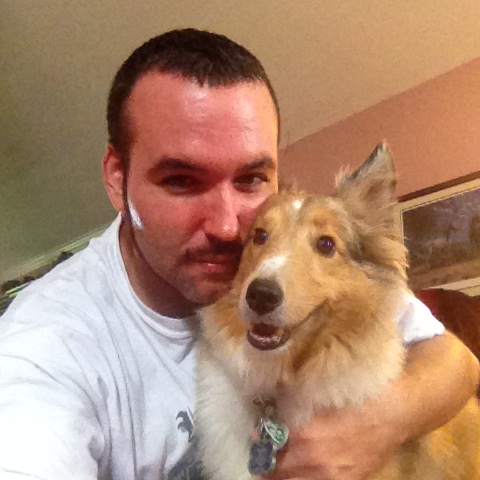
This is his story.
“In October 2000, I underwent a multi-level autologous Posterolateral Interbody Lumbar Fusion (PLIF). That’s right,copious amounts of autologous bone was removed from my right iliac crest. This bone was then placed inside of my lumbar spine, in order to fuse these vertebrae together. During the 9 hours spent in the OR, I had 3 units of blood transfused into my body due to blood loss. And, through microscopic visualization of my spinal cord, my neurosurgeon discovered that my Right L5 and S1 had developed Arachnoiditis. My neurosurgeon was assisted during this surgery by an Orthopedic Surgeon. Both surgeons were Board Certified and both surgeons were Associate Professors at George Washington University and Georgetown Medical Schools, located in Washington DC. It was the goal during which consisted of 2 lumbar punctures using a 20 gauge Tuoghy needle. The needle punctured through my thecal dural sac and the doctors injected into my spinal canal a radiopaque dye, which happens to irritate the spinal cord, Cauda equina, and the delicate membranes which surround my spinal cord. Immediately, dynamic X-rays were obtained followed by an enhanced CAT Scan to visualize my spinal cord and cerebrospinal fluid, and all surrounding anatomy including my spinal nerves to see what was right and what was wrong.surgery of decompressing my Left and Right L4, L5, and S1 nerves roots and stabilizing my lower spine from preventing these recurrent disc herniations from happening again. This happened several times previously, and unless my spine was fused together it would continue to happen. Prior to the fusion, I already had undergone 2 major open back operations, which consisted of both laminectomies and discectomies to remove bone and make room for the compressed nerves.
I also had undergone prior to the fusion 2 spinal taps, which consisted of 2 lumbar punctures using 20 gauge Tuoghy needle. The needle punctured through my thecal dural sac and the doctors injected into my spinal canal a radiopaque dye, which happens to irritate the spinal cord, caude equine, and the delicate membranes which surround my spinal cord. Immediately, dynamic x-rays were obtained followed by an enhanced CAT Scan to visualize my spinal cord and cerebrospinal fluid, and all surrounding anatomy including my spinal nerves to see what was right and what was wrong.”
Like Melanie, Kenny was left with the daily, unpredictably hellish torture of muscle, joint, and nerve pain.
“The nerves in the lower segment of my spinal cord are encased with scar fibrosis with granulation tissue wrapped around the nerves. This scar tissue and extensive granulation tissue starves the nerves of essential nutrients deprived from my cerebrospinal fluid. The very life is literally being squeezed out of them in response.
The spinal cords function is to control nerves that serve organs and control muscles, and send information to my
brain back and forth. The scar fibrosis has devoured them; attaching itself to my dural thecal sac which surrounds my spinal cord and now adheres to my spinal cord. This affects the way that my cerebrospinal fluid flows from inside of my spinal cord all the way up to my brain. Empty sac sign means that if you opened up my back, you cannot see that part of my spinal cord. Instead, you see granulation tissue and scar fibrosis. It is stuck together to the nerve fibers in a glue like fashion, from the presence of granulation tissue and scar fibrosis. The nerves adhere to one another, sticking to my dural thecal sac, hindering me from certain movements and causing severe pain with all other movements…This includes bending, stooping, pushing, pulling, reaching, etc.”
The spinal cord no longer moves freely within the spinal canal. Instead of stretching as it should, movement and activity repeatedly rip it painfully free from the scar tissue only to be adhered anew.
“A quality of life does not apply to me, as once it did. There are many tertiary problems associated with Adehesive Arachnoiditis, such as Radiculopathy, drop foot syndrome, Reflex Sympathetic Dystrophy, atrophy, among other things. Also, anxiety and depression follow me everywhere that I go. I have lost my range of motion, I have atrophy and loss of tone, which causes leg and foot weakness. This has caused problems for me just trying to simply walk. I suffer extreme burning in my legs, ankles, and my feet.”
These nerve injuries can create extreme skin sensitivity which makes the friction of clothing intolerable at times.
“The nerves affecting my spinal cord are the same nerves that send signals to my bowels and to my bladder for Communications from my brain to work properly. As a result, I cannot feel my bladder when it is full and when it is empty. The same goes for my bowels.”
Invasive spinal procedures must be avoided to prevent further inflammation and compression of the nerves.
Arachnoiditis Survivors constantly battle pain to sustain mental focus.
“I suffer cramping and muscle spasms across my entire lower back, from the bottom of my 12th ribs all the way down to my ass. When the cramping is relentless and severe enough, it is a job to simply just try and breath. With every single breath that I take when those contracted muscles feel like they are about to explode, I have learned to take deep breaths while holding it in long enough but not so long that I am going to pass out. I admit this is the worst pain that I suffer from when just simply trying to breathe.
I have sleep disrupted every single night that I lay down. Even laying down does not always help relieve pain. I sometimes get on my side in the Decubitus position, with my knees pulled all the way up to my chest in the hope of some relief. The goal is to take pressure off of my muscles in my lower back, but this also will stretch my spinal cord which can no longer be stretched and can cause refractory pain.
Because of the blockage in my spinal canal of the free flow of my cerebrospinal fluid, the fluid going from my spinal cord and up to my brain is impeded. This causes me to suffer headaches that are relentless, and feel worse than any migraine ever will, and there is nothing that I can do except to make these headaches go away. Also, the blockage of fluid is beginning to cause me to suffer from visual disturbances and I have difficulty now seeing things. The process of walking causes stimulation. Stimulation causes muscle spasms, deep inner cramping. Spasms and cramping cause severe relentless pain. It is all that I can do to just walk my dog.”
Every shift in position irritates the nerves creating inflammation and increased nerve compression.
“I can no longer walk on my heels. My ankles can no longer dorsiflex without assistance from either bracing a wall, a person, or using a cane. I cannot walk any longer on my toes without assistance from a wall, a person, or a cane. My ankles can no longer plantarflex, without assistance. These are indications that my nerves which innervate my ankles and muscles to make them work are becoming slowly paralyzed. It is a vicious painful unrelenting process, both physically and mentally.
Standing, sitting, walking, have all become a working task to me. I must pay close attention, particularly to the amount of time that I spend doing these activities.”
Arachnoiditis Survivors endure an agonizing loss of mobility and muscle weakness.
“I am facing the possibility of someday being in a wheelchair. I would be using a cane to help me stand, walk, get up and sit down, but it is not possible to use a cane while walking a dog. I have already tried. It is hard to walk without a dog and easier to move around with a cane, and I suffer more relentless painful agony as a result. But, I don’t blame my dog because he is my best friend and it is not his fault.”
Survivors frequently work to exhaustion to shield caretakers, family, and friends from the extent of the unbearable aspects of this pain. Daily schedules are dictated by pain patterns.
“ I smile when inside I have not much to be smiling about. I believe my family suffers as much as I do.
One day is different to the next, and to the day before. I have learned to listen closely to what my body is telling me. Choices really no longer apply to me, they haven’t for years.
I used to run, swim, play soccer, carry people, lift things, drive long far places, run up and down stairs, jump in and out of a car. I used to rescue people, fight fires, treat people in emergencies, care for others in need of immediate care. Those days are long gone, all that’s left are memories. But I can’t even seem to remember what it was like to run anymore, much anything else.
It’s like I am 38 years old inside the body of a person who is 70 or 80 years old, twice my age. But I have been dealing with Arachnoiditis since 2000, almost 14 years. I have worked since, I have worked several different jobs in several different places. And because I am so young, work seems to be a hot issue. I can appreciate anyone not wishing to throw in the towel, but there does come a point regardless of how smart you are, or how well you dress, and how great your eye contact is…. Those have nothing to do with invisible scars that one cannot see from the outside…”
In addition to the daily struggle to cope with the pain and limitations of arachnoiditis, most survivors must also battle the medical community for validation and appropriate care.
“(the practitioner)…diagnosed me with everything from Failed Back Syndrome to Post Laminectomy Syndrome to Myofascial pain syndrome, but he refused to use the “A” word. Yes, he kept it hidden to himself and allowed PM to continue poking me over and over again, more than 15 different times until the point came I had to stop working due to pain. Finally, I got on an airplane and I went 1000 miles away from here to see a new Doctor located in Columbus, Georgia. His name is Dr. Thomas Bernard, an orthopedic surgeon at the Hughston Clinic and he was the first to diagnose me, in 2009.
I refused to believe Dr. Bernard who explained to me in a very nonchalant manner that I was “suffering from a condition called Arachnoiditis”. I knew what that meant. I was in denial. I asked Dr. Bernard if he would send my MRI to Baltimore to be looked at by Dr David Mark Yousem. I do not believe that Dr. Bernard was insulted by me asking him to get another opinion. He was gracious and more than willing to send the films out for second interpretation.
He sent the films to Johns Hopkins Hospital in Baltimore, MD…well known to be One of the best hospitals in the USA. The Director of the Department of NeuroRadiology was the Doctor who gave me a second read. His name is Dr. David Mark Yousem, a Board certified NeuroRadiologist. It was confirmed that I had AA. It was also found by Dr. Yousem that I have blood present in my thecal sac causing arachnoid adhesions and the thecal sac is narrowed. Dr. Yousem also found granulation tissue behind the L4 vertebrae and extending all the way down to my sacrum. Dr. Yousem found that nerve clumping is present consistent with Arachnoditis. Dr. Yousem also found a disc bulge at L3-4. He also found that I have Endplate sclerosis at L4. Dr. Yousem described the L4-5 and L5-S1 roots on both sides and the thecal sac on these levels encased with granulation tissue.
When I confronted my neurosurgeon of these findings and explained to him that I went 1000 miles Away and obtained a second opinion, then he finally gave in. He used the A word. But he stated on the record that “We had been aware of this for many years”. That is not true. He was aware but clearly refused to share this with me in fear I would sue him which I would never even consider doing such a thing, that is what enrages me with anger. I wish he just told me, I would never have agreed to undergo any further interventional procedures had he just told me this simple fact.”
Injured workers who develop arachnoiditis must also fight for compensation of lost wages. This can be a long drawn out process with little legal assistance or medical support. With the physical limitations and impaired abilities of consequential spinal adhesive arachnoditis, the battle on this front is often complicated by the grief associated with job loss and the complicated adjustment to adaptive independence. Depression is not uncommon. Faced with obstacles, imprisoned by pain; suicide sometimes seems like the only path to freedom.
“Here is my diagnosis:
I am Status Post 2 Laminectomies
I am Status Post Multi level Interbody fusion with pedicle screws and cages
I have Arachnoiditis L5 – S1
I have blood deposits in my thecal sac L5
I have a disc bulge above my fusion L3-4
I have Endplate Schlerosis L4
I have hypertrophy of posterior ligaments L3-4
I have failed to rehabilitate
I have not worked since Nov 2006, that’s right 8 years.
The workers compensation Commissioner feels it is sad that we are not going to try to do something about working. Instead of seeing my family as caregivers, he saw them as being a burden because of what they do to help me. My neighbors and friends also are caregivers.
The Commissioner felt that if vocational rehab fails then of course, I am 100% disabled and it might be a total failure. He increased my rating from 90 to 92% total disability but found that I am not totally disabled because I refused Voc Rehab.
My doctors have said for years that I should not be working. He did not listen because he is “too softhearted”. He said the problem is “my age, and what he perceived to be my great appearance, amiable personality, good eye contact”, etc.
… … …
I believe the largest impact it has had to me in my life is the loss if my Job working as a firefighter/paramedic.
I began training for this job in 1992 and i continued working until February 1998. My lifting injury occurred on the job in 1996, while removing a trauma patient in too much a hurry to get him into the trauma room at the hospital.
I ruptured 2 lumbar discs and developed severe sciatica. I had 2 surgeries and went back to working full duty, but ruptured those discs again 8 months later. Finally in 1998 the doctors felt that I had no choice but stop working in the fire service and that a fusion was needed for stabilization.
I miss working. I miss the firehouse. I miss the fire trucks. I miss the medic unit. I miss my coworkers, my “second family”. I miss helping others. I miss every aspect of work you can imagine. The most difficult thing in my life so far was walking away from my work that I loved so dearly.
Nobody with a fusion can pass the medical exam needed to return to work. I knew my career was over when the doctors told me the fusion was needed or the discs would continue to rupture again. Only 3 days after learning that a fusion was in store for me, I attempted suicide.
I regret deeply and feel shame for trying to do such a stupid thing. As a result of the trauma from the suicide attempt, I developed chronic PTSD for which since 2000 I have seen my psychiatrist every 2-4 weeks.”
Life with Arachnoiditis can be a lonely existence. The Art For Arachnoiditis Project is working to defy this isolation.
“ I am also only one patient and I know for a fact there are countless others out there who are desperate to understand the meaning of Post Laminectomy Syndrome. There are many people out there with AA who have no idea they even have the condition and continue the fight for pain relief by continuing to undergo these procedures which only do more harm. I feel lucky that I finally have some closure in what has been a long fight and a great mystery.
I think the only way to increase others chances is to share my experience with them, to tell others there is hope, to be patient and listen to others, to not become complacent in the midst of a sever chronic pain condition, and to not be discouraged. Yes, there is no cure for AA, but If anything I do finally have some closure which I have desperately needed for years. I don’t see myself as a victim, because I don’t want others to see themselves that way. We are humans, and humans are a resilient species. We need to be strong as a group and community of people for the countless others who each day are learning they too have this problem and they need support, help, and understanding.
We are only defeating ourselves and allowing ourselves to be defeated, should we be victims. We are strong. We are the future of helping others with this problem and must be there to help others. Today, there is somebody out there who will learn they have this problem. They need us, they need our stories, they need our understanding and support. And I am here to do just that.”
Some survivors seek comfort and strength in God and their faith. Others find it in nature, spirituality, the arts, family and friends, or helping those in need. Whatever method serves, we must never let them believe they are alone in its discovery. ~slk
 Art For Arachnoiditis