Mystified Creator. Gathering Wellness. My designs are for sale in Artist Shops at Threadless. Find my portfolio archives at sheilalynnkart.com. FreeThings4U and Patrons Only can be found here: https://www.patreon.com/SheilaLynnKart
View all posts by sheilalynnkart →
This last day of “NERVEmber ® and Art Every Day Month (AEDM) is about adaptability, solutions, and coping targeted at post-survival Thriving with arachnoiditis and its numerous consequential conditions.
The Arachnoiditis Apocalypse is accompanied by MANY lessons that are as diverse as the people living with it. My life was permanently altered in many ways. It took time to grieve what was gone and to realize, “altered” is not the same as destroyed.
Much of the content I post is designed to offer search terms you may not have considered and to let you know what has or has NOT worked for me. What I share is based on my own experience and is NOT ever intended as medical advice or treatment for you. Always be sure to consult your trusted practitioners prior to making any changes to your treatment plan.
The Bullet Points ~(This is NOT a to do list.)
Own your Wellness.
Go Gently and Listen to Your Body.
Celebrate Little Things. Grace lives in them.
Know your triggers. Navigate your pain.
(For Adhesive Arachnoiditis) Assess the impact of any obstruction to natural cerebrospinal flow. Find out which positions mitigate the blockage to restore as much optimum flow as safely as possible. (Whether it is a leak or a blockage, frequent spinal or positional headaches may be an indicator of a disruption of the natural flow of spinal fluid.)
Pace yourself, but KEEP moving.
Get Creative – The Creative Process Heals
Be Mindful. Intentional use of time minimizes the perception of lost time.
Be Informed. Not obsessed.
“Escape” in moderation.
Connect with Others. Solitude is Beneficial. Isolation is Lonely. Loneliness is destructive. Healthy connections create harmony in mind, body, and spirit.
Work with a trusted practitioner to document your progress and learn which treatment and support are right for you.
DETAILS
Adaptability is the foundation for Thriving with Arachnoiditis.
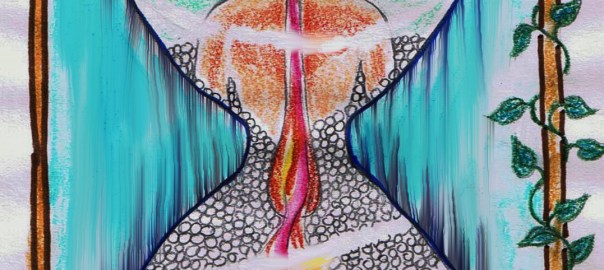
The significance of Cerebrospinal Fluid Flow Rotation was the key that unlocked the mystery of how I could re-learn to live my life. In my case, this obstruction at multiple spinal levels IS, and will always be, the origin of much of my neurological dysfunction. It became such a big part of pain navigation that a pervasive awareness of it underlies everything I am doing now. Sometimes, quietly tracking my remaining minutes, I am conscious of it running out like the sand in the hour glass shown in the art journal doodle above.
Though at first I didn’t know how to differentiate these factors from the others, I did learn. For me, maximum vertical time was approximately two and a half hours before symptoms of CSF entrapment/blockage would begin to impair my ability to function. However, IF I made sure to get horizontal every two hours, even when I was feeling okay-enough in the moment, eventually I had the power to minimize the impact of those symptoms. As is common for arachnoiditis survivors, invasive procedures are contra-indicated in my care. This obstructive scar tissue cannot be removed. (These symptoms have some similarities to those of a CSF leak. The difference is there is NOT a leak. The fluid is still in there trapped in the wrong place in the spinal canal. It puts pressure in those places while the brain is essentially deprived of an adequate amount.)
Eight years into Arachnoiditis Survival, I developed Complex Regional Pain Syndrome (CRPS). Though I wouldn’t wish it on anyone, my biggest lesson came in learning more about how to manage it. As I changed my habits to reduce inflammation, I inadvertently discovered that, over time, I was reducing the swelling in my spinal cord. Eventually, there was more room for the spinal fluid to flow around the scar tissue. In 2019, twelve years after leaving the workforce due to unemployability, I was able to return to working in the local community. From 2019 to 2023, I continued practicing all that I had learned to navigate and adapt to this injury.
A year ago today, I fell down some icy stairs and broke a bone in my back. Ordinarily this should have taken about twelve weeks to heal. It didn’t. Complicated by what was most-likely a bone marrow infection and the discovery of an undetected compression fracture at a different spinal level resulting in a new impact-trauma-induced arachnoiditis flare, 2024 has been a very long year.
So, this NERVEmber, now that I finally have all the details about what I am dealing with this time, I am revisiting all of the lessons I learned along the way to this moment.
“NERVEmber ® brings awareness to conditions that have nerve pain as a symptom. The International Pain Foundation hosts the OFFICIAL NERVEmber project events each year. Since its inception, tens of thousands of nerve pain patients and organizations have signed on to help promote NERVEmber.“
Just a few minutes ago, it dawned on me that putting these here may be more useful than posting them where I had been putting them. So, here are some social media posts I’ve shared these last few weeks about the Nerve Pain Conditions which have had an impact on my life. There is a lot of info in this post. Pace yourself.
A known consequential condition of spinal adhesive arachnoiditis, “Complex Regional Pain Syndrome (CRPS) can affect the bone marrow, leading to bone thinning or excess bone growth. In rare cases, the bones may become rough or enlarged. CRPS is a painful disease that occurs when the sympathetic nervous system goes awry. It can cause a variety of symptoms, including: Pain Swelling Redness Temperature changes Hypersensitivity, especially to cold and touch Muscle spasms and tightening CRPS can also cause the affected limb to become cold and pale. Over time, the condition can become irreversible. In some cases it can spread to other areas of the body. CRPS is sometimes associated with bone marrow edema syndrome (BMES). Complex regional pain syndrome (CRPS) has been known by many other names, including: Reflex sympathetic dystrophy syndrome (RSDS) Algodystrophy Causalgia Transient osteoporosis Post-traumatic dystrophy Reflex neurovascular dystrophy The International Association for the Study of Pain (IASP) introduced the term CRPS in 1994 to describe a variety of post-traumatic neuropathic pain conditions in the limbs. However, the name change from RSDS to CRPS has not been universally accepted.
“Listen-whatever it is that makes you wake up, whatever it is that makes you feel a moment of peace or a glimmer of hope, just keep it close. Please, live for it. Make sure that you focus on it. Make sure that you make time for it. I don’t care what it is. You have to understand that happiness does not have to be this big all-consuming thing. Sometimes happiness is your morning cup of coffee. Sometimes it is the smell in the street after it rains, or your favorite song played on repeat for three hours straight. Sometimes happiness is your friend’s laughter or the way the sky looks through the trees in your favorite park. If it keeps you going, if it ignited something within you, it doesn’t matter how small or grand it is. Just hold on to it. Let it save you.” ~Bianca Sparacino
Art is that for me.
Nervember Post – Gratitude 11.28.2024
Back to the drawing board. Though 2023 was a fantastic year of wellness and possibilities, 2024, blessed with moments of Grace between challenging days has been long and pushes me to tap into lessons learned and to seek new wisdom to heal more stuff… … Again. Future Art Offerings will be coming to patrons from the Ostrich Cot. …………………………………………………………………………… Throwback-but-Thankful Thursday: To understand my Gratitude around the discovery and support I received from the #OstrichCot you can Click Through to see portrait examples from Ten Years Ago here: https://www.youtube.com/watch?v=VQYG6s6LBR0 P.S. These are portraits in progress from the Arachnoiditis Survivor Portrait Project. New Portrait Order Options Are Not Available at this time.
Nervember Post 11.26.2024 Spinal Arachnoiditis and CSF Flow Blockage
A preventable permanent spinal cord injury, “Chronic adhesive spinal arachnoiditis (SA) is a complex disease process that results in spinal cord tethering, CSF flow blockage, intradural adhesions, spinal cord edema, and sometimes syringomyelia. Mechanism: When the CSF cannot circulate freely, it can build up pressure within the spinal cord, causing fluid-filled cavities to form. Symptoms: Symptoms can vary depending on the location and size of the obstruction but may include pain, weakness, numbness, muscle atrophy, spinal headaches, and impaired coordination in the affected areas of the body.” Prevention is the only cure. https://www.medicinenet.com/is_there_a_cure_for_adhesive_arachnoiditis/article.htm Image| Axial View of Thoracic Spine MRI post off-label use of spinal anesthesia containing 5% lidocaine with epinephrine. See also: “Potential Neurotoxicity of Spinal Anesthesia with Lidocaine” Michael E. Johnson MD, PhD https://www.mayoclinicproceedings.org/article/S0025-6196(11)64644-2/fulltext
NERVEmber Post 11.22.2024 MEDICAL TRAUMA (Image credits to sources as noted)
“We don’t talk about medical trauma all that often. But for many, trauma at the hands of healthcare professionals is real — and knowing how to heal matters.“ https://psychcentral.com/ptsd/medical-trauma #MedicalHarmSurvivors #TraumaInformedCare #DoNoHarm ” Around 1 in every 10 patients is harmed in health care and more than 3 million deaths occur annually due to unsafe care.” https://www.who.int/news-room/fact-sheets/detail/patient-safety
“Medical trauma is a form of psychological trauma resulting from medical diagnosis or intervention. The resulting symptoms can include post traumatic stress disorder (PTSD), depression, anxiety, and disrupted sleep. Through acknowledgement and acceptance — and with the proper treatment from a mental healthcare professional — most people can manage their symptoms and experience full recovery from this kind of trauma.“ https://www.choosingtherapy.com/medical-trauma/ Medical Trauma: How to Cope When Treatment Hurt You https://hartzellcounseling.com/medical-trauma-how-to-cope-when-treatment-hurt-you/
Medical visits can significantly trigger trauma for survivors of patient harm, as the healthcare environment can re-traumatize them by reminding them of previous negative experiences, particularly when elements like invasive procedures, loss of control, or power imbalances are present, causing anxiety, fear, and flashbacks.
Trauma-informed care: Healthcare providers should be trained in trauma-informed care practices, which involve understanding how trauma can impact patients and taking steps to create a safe and supportive environment. Open communication: Allowing patients to share their experiences with past medical trauma and openly discussing concerns before any procedures. Patient autonomy: Providing patients with choices and control over their care whenever possible. Respectful approach: Using empathetic language, validating patients’ feelings, and avoiding unnecessary touch or pressure. Collaboration with mental health professionals: If needed, involving mental health professionals to support patients through difficult medical encounters.
Chronic Pain and PTSD Sadie E. Larsen, PhD and Katherine E. Hadlandsmyth, PhD
When people experience both chronic pain and posttraumatic stress disorder (PTSD), each condition can exacerbate the other. This article provides information and options to providers working with people who have both PTSD and chronic pain. https://www.ptsd.va.gov/professional/treat/cooccurring/chronic_pain_guide.asp
“Medical trauma or medical post-traumatic stress disorder is painfully under-represented, yet overwhelmingly common.
What Is Medical PTSD? Simply put, medical PTSD is PTSD. Most, if not all, typical symptoms of PTSD are congruent with those of Medical PTSD. The only difference is in the traumatic event itself.
The Anesthesiologist who caused the spinal cord injury I survived was simply doing what he was taught following the guidelines for the Accepted Average Standard of Care in NYS. In my extensive experience as a patient, most practitioners have good intentions.
NERVEmber Post 11.21.2024 ~ Nerve Pain and The Anatomy of Sitting
“Prolonged sitting, especially on an unsupportive surface, can flatten the natural curves of our spine, placing undue stress on the vertebrae and surrounding tissues. The lumbar curve is especially at risk. When we slouch on a sofa, this curve diminishes, leading to a strain on the discs between the vertebrae. Over time, this can lead to discomfort, fatigue, and long-term health issues.” https://dantefurniture.co.uk/blogs/lifestyle-and-wellbeing/sofas-and-your-spine-the-connection-between-sitting-and-posture
“In this time where most people are currently still working from home, it can be tempting to stay on the sofa with your laptop all day. But, this is far worse and can do a lot more damage to your back and neck than sitting at a desk or a table. […] As most sofas have a deep seat, it can be tricky sitting upright in a comfortable way – especially if you have shorter legs. Add two or three cushions behind you to support your upper back to prevent from slumping. Supporting your upper back rather than your lower will help to keep your pelvis and your spine upright and your head will also be better balanced which will then reduce pressure on the lower back. Experiment with how many cushions you use to find your most comfortable position.” https://swyfthome.com/blogs/lifestyle/sit-on-a-sofa-to-avoid-back-pain Vagopathy “Vagopathy is the result of the “facedown lifestyle” looking at screens and phones all day, traumatic injury, hypermobility syndromes, and degenerative wear and tear. The subsequent neck instabilities these problems cause is “vagopathy” (the destruction of the vagus nerve). The resulting compression and altered signals of the vagus nerve can lead to a condition called sympathetic dominance. This is a situation where a person feels stressed all the time. This is more than phycological stress, this can be a structural stress.” https://caringmedical.com/prolotherapy-news/sleep/
NERVEmber Post 11.20.2024 ~ The Truth About Epidural Steroid Injections
This 2014 video gives a good demo, at the 00:30ish mark, of how spinal injections can have an impact on spinal nerves and discusses the balance between risks and benefits. https://www.youtube.com/watch?v=cPieVQdXP58 Always request that spinal injections be guided live by medical imaging, fluoroscopy, during the procedure. Cancel or Reschedule if this option is not available. When receiving spinal anesthesia, always confirm what anesthetic is being used and that is safe for spinal use. Check the adverse events listings to find out more about it before your procedure. The campaign to push this arachnoiditis awareness effort forward was partially inspired by the deaths and adverse outcomes of people who survived the 2012 nationwide fungal meningitis outbreak caused by epidural steroid injections. Designed to empower arachnoiditis survivors, The Survivor Portrait project was part of this awareness campaign after I was asked to tell my own story. Between 2014 and 2018 this project grew into an international creative wellness resource serving survivors in 93 countries. (WordPressReport 2015) https://sheilalynnkart.com/section/396432_Arachnoiditis_Survivor_A_Portrait_of.html
More About the fungal meningitis outbreak: “In 2012, a multistate outbreak of fungal meningitis occurred after patients received contaminated steroid injections from the New England Compounding Center (NECC) in Framingham, Massachusetts: Timeline: The first case was confirmed in Tennessee on September 18, 2012. By October 23, 2013, there were 751 patients and 64 deaths. Causes: The contaminated steroid was methylprednisolone acetate (MPA), which was preservative-free. The NECC used fictional and celebrity names on fake prescriptions to dispense the drugs. Response: The CDC, state and local health departments, and the FDA investigated the outbreak. Clinics and health departments contacted patients who received the contaminated injections and referred them for treatment. Sentences: More than a dozen people linked to the compounding pharmacy were convicted, including: Barry Cadden: Sentenced to nine years in prison in 2017, then resentenced to 14.5 years in 2021. In 2024, he was sentenced to 10 to 15 years in prison on Michigan state charges of manslaughter. Carla Conigliaro: Sentenced to one year of probation and a $4,500 fine. Douglas Conigliaro: Sentenced to two years of probation and a $55,000 fine. Gene Svirskiy: Sentenced to 30 months in prison and one year of supervised release. Christopher Leary: Sentenced to two years of probation and 100 hours of community service.” #ArachnoiditisSurvivor #ArachnoiditisAwareness
NERVEmber ~ A SITTING DISABILITY
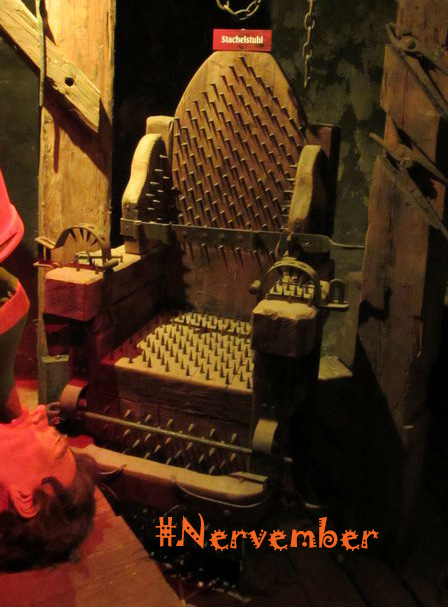
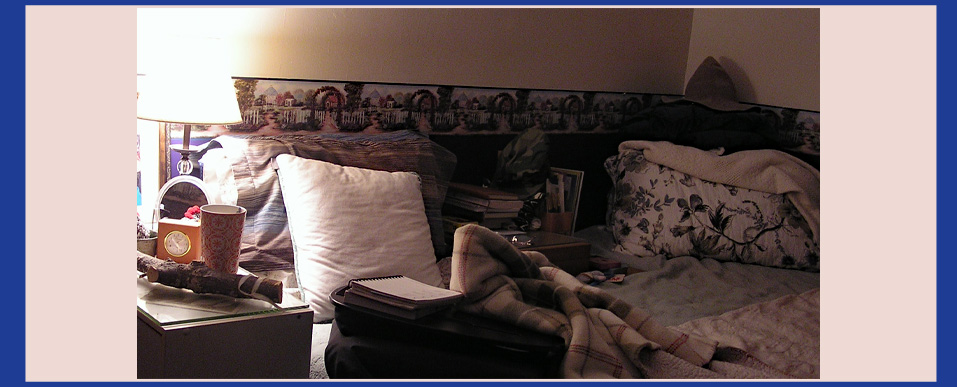
EVERY CHAIR. EVERYWHERE. Having a sitting disability brings out interesting social observations. People get very antsy if you don’t sit down when they are seated. It’s rare to find an exception to this behavioral conditioning. During neurological flares, I have yet to find a chair that does not quickly feel like the one shown here. Trust me when I say, I have tried. If you see me sitting and I seem exceptionally distracted it is because there is likely an entirely secondary dialogue happening in my mind to talk myself out of the belief that I am being stabbed incessantly while I sit there. …AND wondering when this “flare” will be over… Hint: A person with a sitting disability caused by an injury to the sympathetic or autonomic nervous system may also be wearing many layers of clothing to buffer the impact and/or manage the intermittent bizarre hot and cold flashes that are part of this package. #CRPSawareness #SpinalArachnoiditisAwareness ………………………………………………….. “A “sitting disability” is the result of a medical condition causing severe pain when an individual is sitting. It is typically a symptom of an underlying condition, such as lower back pain, sciatic nerve pain, piriformis syndrome, or failed back surgery syndrome. It may also be related to fibromyalgia, myofascial pain syndrome, pudendal neuralgia, or coccydynia. The period of time sitting comfortably varies per individual.” “A sitting disability is a medical condition that makes it difficult or impossible to sit, usually due to pain. It can affect people with or without chronic standing issues, including those who use mobility aids. Sitting disabilities can be caused by a number of conditions, including: • Chronic back pain • Pain from the pelvis • Pain from nerves, ligaments, muscles, or fascia • Conditions related to the nervous system • Sciatic nerve pain • Piriformis syndrome • Failed back surgery syndrome • Fibromyalgia • Myofascial pain syndrome • Pudendal neuralgia Sitting disability is an umbrella term that groups people with a variety of medical conditions together based on their common consequences. These consequences can include: Difficulty fitting into the prevailing norms of a sitting society, Difficulty traveling, Difficulty retaining employment, and Feelings of distrust or inauthenticity.” https://www.painscale.com/article/what-is-a-sitting-disability #NERVEmber is Nerve Pain Awareness Month Though individual experiences vary greatly due to the diverse causes of sitting disability, additional support and information about life with a sitting disability can be found at: “I am vertical living with a sitting disability” https://overland.org.au/2021/07/i-am-vertical-living-with-a-sitting-disability/ “What happens when you can’t sit down.” https://myuprightlife.com/index.php/sitting-disabilities/health-conditions/ “Falling through the cracks; recognizing sitting disabilities.” https://www.tandfonline.com/doi/full/10.1080/09687599.2018.1545111 “I have a sitting disability. What that means.” https://www.christinairene.com/wp/archives/1914 Image| Found in the public domain on a traveling blog many years ago when I was writing about traveling as an arachnoiditis survivor doing portraits to empower other survivors. I’ve lost track of who posted it. If you know the source, please let me know so that I can post proper credit. Thanks!
NERVEmber ~ AEDM Post 11.18.2024 ~ “Why Be Happy When You Can Be Normal”
“I have noticed when all the lights are on, people tend to talk about what they are doing – their outer lives. Sitting round in candlelight or firelight, people start to talk about how they are feeling ~ their inner lives. They speak subjectively, they argue less, there are longer pauses. To sit alone without electric light is curiously creative. I have my best ideas at dawn or at nightfall, but not if I switch on the lights, then I start thinking about projects, demands, deadlines, and the shadows and shapes of the house become objects, not suggestions, things that need to be done, not a background to thought.“ ~Jeanette Winterson Author of Oranges Are Not The Only Fruit and Why Be Happy When You Can Be Normal https://www.jeanettewinterson.com/
NERVEmber and AEDM Post 11.15.2024 ~ “You don’t have to be pretty.”
Studio selfie 2022
“You don’t have to be pretty. You don’t owe prettiness to anyone. Not to your boyfriend/spouse/partner, not to your co-workers, especially not to random men on the street. You don’t owe it to your mother, you don’t owe it to your children, you don’t owe it to civilization in general. Prettiness is not a rent you pay for occupying a space marked ‘female.‘” – Erin McKean Flashback Friday – posted for Art Every Day Month 2015– “Human, Naturally” “Survival and recovery impact the individual sense of vanity. Be it the superficial cliche concept of “beauty” or a long-lived appreciation of our “inner beauty”, our self-image seldom escapes the experience unscathed. For all time but, especially, in modern culture; the pressure to conform to the concepts of beauty and grooming of the status quo is directly linked to our ability to be taken seriously by the influential populations of society.
Not only must Survivors overcome the physical limitations imposed upon them but, we must also find a balance within ourselves which allows us to reconcile the alterations in our physical appearance which result from that struggle. […] The reality is, that our appearance can condemn us to a marginal existence. Subconsciously, we fight against that. We think nothing of using the convenient products available to us to allow us to prevent that from happening.“ ~slk Read more about the social conditioning around the relationship between looking healthy and feeling healthy at artforarachnoiditis.org here: https://artforarachnoiditis.org/2015/11/13/art-every-day-month-day-13/ #NERVEmber #OpenlyGrey
NERVEmber and AEDM Post 11.15.2024 “Autumn Ice” and CRPSand Bones
When uncontrolled or “flaring” … Most commonly, CRPS presents with hot, red, swelling and burning pain when the nerves allow too much blood to enter the vessels. However, in some cases, like mine, it can also present as feeling perpetually cold with blueness in the skin, cold flashes and chills with cold pain similar to frost bite because the opposite occurs. The nerves don’t allow enough blood to enter the vessels. (Paraphrasing/over-simplifying this explanation as it was described to me years ago.) For many it includes the body’s inability to regulate temperature. Usually, I hurt before I know the temperature has dropped. Cold sends pain signals instead of thermal warning signs. Because: “The sympathetic nervous system plays a role in the chronic cold phase of complex regional pain syndrome (CRPS): Vasoconstriction During the chronic cold phase, α-adrenoreceptors become more sensitive to circulating catecholamines, which leads to vasoconstriction and decreased blood flow. Sympathetically mediated pain Adrenoreceptors on nociceptive fibers lead to sympatho-afferent coupling, which produces sympathetically mediated pain.
Other aspects of CRPS include: Allodynia: People with CRPS may experience sensations like warmth or cold as painful.
Neurogenic inflammation: The redness and swelling of CRPS may be different from normal swelling after an injury.
Hypoxia: Restricted blood flow reduces oxygen in tissues, which causes pain.
Bone abnormalities: CRPS is often associated with thinning or remodeling of bone, which can irritate nearby nerves.
Movement disorders: Many people with CRPS have impaired muscle strength and movement disorders.“ ………………………………. CRPS (Complex Regional Pain Syndrome) is a known consequential condition of spinal adhesive arachnoiditis. Arachnoiditis is a preventable spinal cord injury caused by the neurotoxins in spinal injections and invasive spinal procedures. Gastroparesis is known to be associated with both. ………………………………………… Art| “Autumn Ice” Tree Project in the Creative Wellness Garden sheilalynnkart.com
“When facing a chronic illness with no cure and no available treatment, the most important steps are to educate yourself about your condition, build a strong support system, prioritize self-care through healthy lifestyle choices, seek professional help from doctors and therapists, and explore potential management strategies to optimize your quality of life; this may involve managing symptoms, participating in clinical trials, and finding ways to adapt to limitations caused by the illness.“ #Nervember #CRPSAwareness #ArachnoiditisAwareness #MGUSPeripheralNeuropathyAwareness
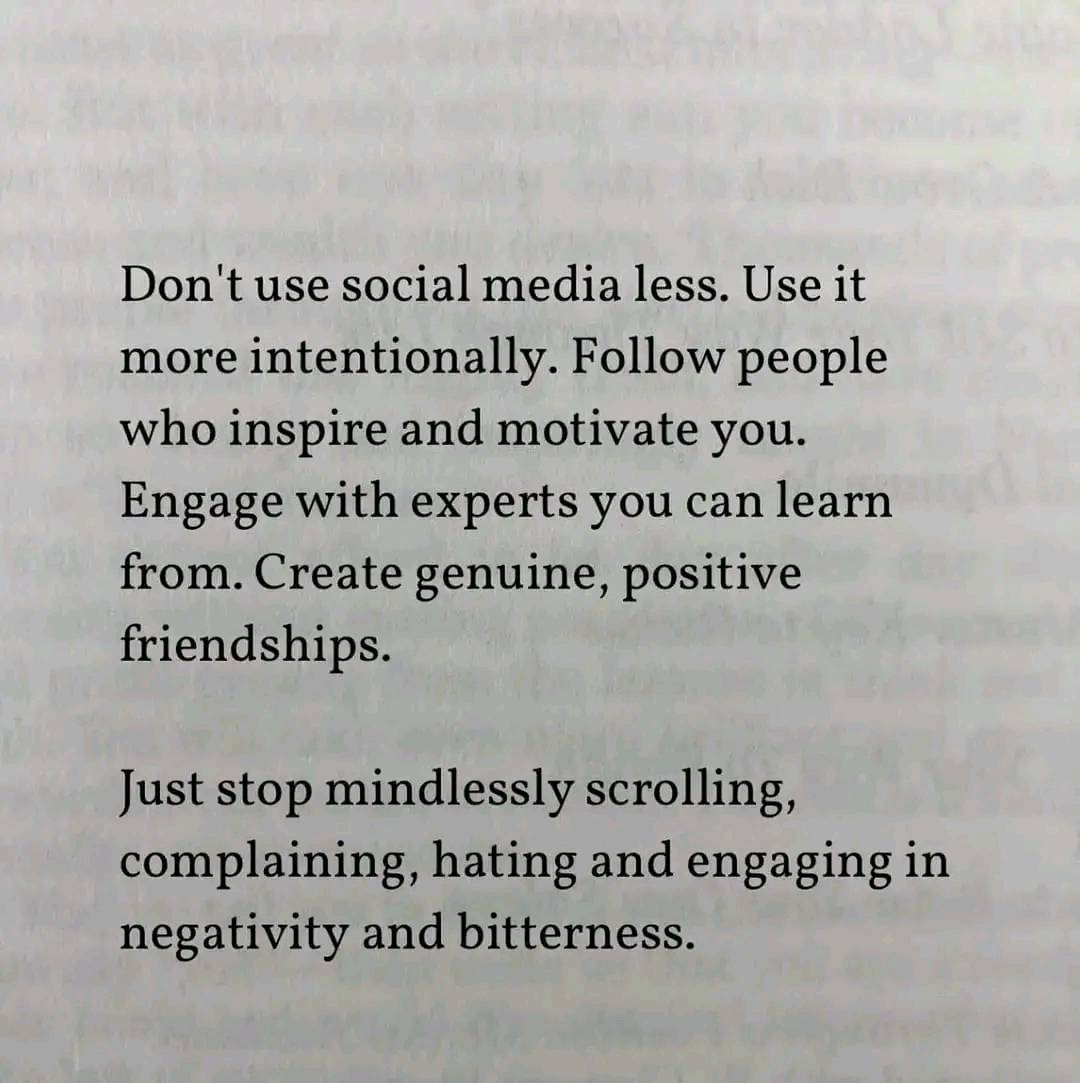
SOCIAL MEDIA USE
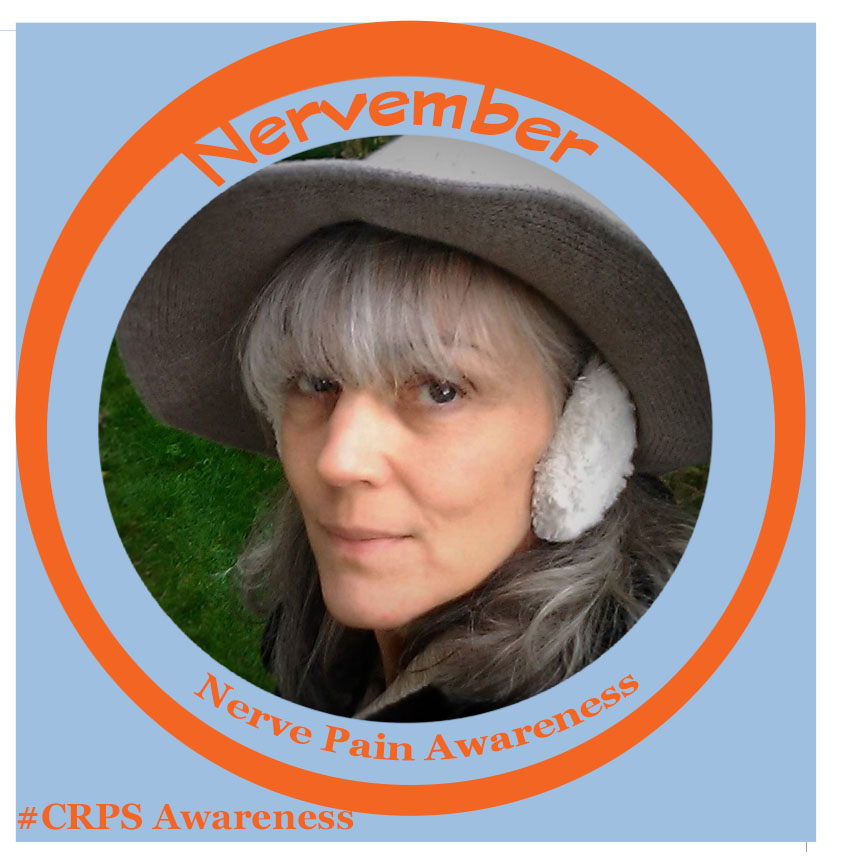
NERVEmber Selfie for Social Media Profile Picture
Despite my longstanding struggle with over-use of social media, I believe it is a powerful tool that can be used to create healthy connections. “With great power comes great responsibility.” ~Stan Lee after Voltaire (maybe?) Side note: fact-checking is only as reliable as the sources providing the “facts”… Hence the current long season of doubt. ‘With Great Power Comes Great Responsibility’: From Age-Old Axiom to Spider-Man’s Mantra It all started with Jesus. Or Muhammad. Or the Reign of Terror. By Ellen Gutoskey |Mar 29, 2024 https://www.mentalfloss.com/posts/with-great-power-comes-great-responsibility-phrase-origins #DefyTheSpin #OwnTheChoices
[Arachnoiditis is a spinal cord injury caused by the neurotoxins in spinal injections and invasive spinal procedures. The artforarachnoiditis.org website is intended to provide a practical coping resource which supplements the numerous support groups available in Social Media and is NOT intended as medical advice or guidance. All visitors are advised to consult a trustworthy naturopath or physician prior to making any assumptions about prognosis, diagnosis, or changes in Arachnoiditis care or treatment.]
Medicinal Menu Goals 2024 August
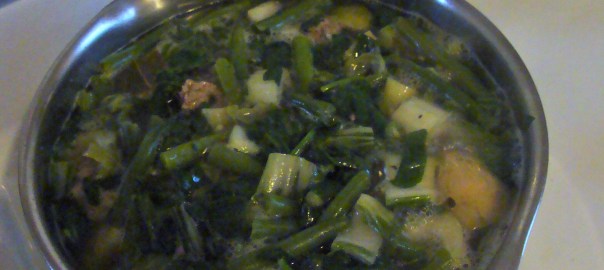
MANAGE THE INFLAMMATION DAY ONE (Again) This plan has been modified over time as I have been experimenting with this method since 2016. Following unsuccessful consultations and inappropriate invasive interventions proposed at the Cleveland Clinic, I discovered research regarding the impact of using food as medicine in an anti-inflammatory menu. After six months on this plan to conservatively isolate and manage CRPS in my left leg, I discovered there was also reduced swelling in my spinal cord which eventually resulted in an increase in the number of hours I was able to be vertical with fewer symptoms of impaired Cerebrospinal Fluid (CSF) rotation. Later, it also became evident that gastroparesis was creating ongoing difficulties with maintaining balanced gut health and I learned about how candida overgrowth impacts inflammation. Adjusting the anti-inflammatory menu to accommodate candida control protocols required a great deal of self-discipline. Combining these methods with twelve years of physical therapy after being deemed unemployable, I was able to return to working in the community. For me, though it often results in periods of solitude, this life plan works. The need to strictly follow it ebbs and flows depending on environmental, medical, systemic, and social triggers.
Arachnoiditis is a preventable spinal cord injury caused by the neurotoxins in spinal injections and invasive spinal procedures. Prevention is the only cure.
A NOTE TO NEW VISITORS (7.3.2019) Sorry you need us but, glad you found us!
While this project was “live” from 2014 to 2018, Arachnoiditis survivors were able to submit art entries for an annual exhibit to increase arachnoiditis awareness. Though we no longer have the resources to continue that aspect of the project, there is a great deal of free content and coping tools here that will remain available to anyone who would like to use them. You can find headings for those topics when you scroll down to the bottom of the home page.
Via email, survivors are still invited to submit digital images of any artwork they have created which helps them cope with arachnoiditis. (Subject: Add my Art to A4A gallery.) As my schedule permits, these images are added to this online gallery of art by arachnoiditis survivors.
I cannot provide medical advice but, feel free to Contact me at the studio if you have additional questions about this project.
~Blessings!
P.S. This is a one-woman administration. I do the best I can to respond and distribute materials in a timely manner. Online messages are usually monitored on Tuesdays and Thursdays. Your patience is greatly appreciated.
Originally published in January 2016, this is a post from the archives of the Art For Arachnoiditis Project .
The resource links included were active at that time and have been updated to the best of my ability. Use what resonates for you. Leave the rest.
How to trust your doctor (a.k.a. “Any Medical Practitioner”) after a medical injury.
January 26, 2016 ~Sheila L. Kalkbrenner The Art For Arachnoditis Project at SheilaLynnK Art Studio, An experienced patient. NOT a physician. Be Sure to seek Professional Advice from a Trusted Practitioner prior to making any adjustments to your treatment plan.
After nine years of fighting to recover (read as “survive and start over”) from the medical injury (Spinal Adhesive Arachnoiditis in the Lumbar and Thoracic Spine) which occurred during a “Routine” right knee arthroscopy to treat a work-related knee injury (a torn meniscus); I find myself in an alarming state of déjà vu.
I need to create a new word for that. You know, a situation which looks remarkably like another situation that you survived but still strikes fear in your heart…a Word for THAT.
After two months of dealing with debilitating pain and swelling in my OTHER knee, (with no known recent prior injury or incident) it has come to my attention that I must have a “routine arthroscopy” to correct the torn meniscus they found in there – along with a few other problems. The onset of symptoms was much different this time and began with posterior knee pain and swelling…symptoms of the torn meniscus started weeks later after trying to walk on it with the posterior knee issues.
In MY head, nothing about any of this is Routine! Likely, nothing about anything requiring medical care will ever really feel “routine” to me again. But, I did get my Disaster Mind under control so that I could approach the situation in a rational manner.
For most people this would be considered an elective procedure. However, as the current knee symptoms are impairing my ability to cope with the abundant demands of Living With Arachnoiditis, it would not seem that I have much choice but to seek some kind of corrective measures if I am to maintain (and improve) the quality of life I have worked so hard to achieve since THAT permanent medical injury occurred.
So, HOW do I move forward in the face of this playground for my Disaster Mind? (I can’t take credit for that term…I got it from Heatherash Amara.)
Redefine the term “Trust”~ This word has long since ceased to mean that I believe everything the doctor says or have absolute faith in his/her knowledge. Although I do, somehow, still believe that most practitioners really DO have good intentions, I recognize the limitations of their knowledge and the parameters* that restrict them under the current demands of the usually, Insurance-Imposed treatment structures and protocols here. And, unfortunately, there ARE doctors out there who are mostly worried about the bottom line and NOT the patient. Beware of those. No sense in keeping the bad apples around. 9 Signs You Should Fire Your Doctor
Ask The Questions ~ Any questions you have…big or small…this is your chance to really KNOW and be involved in your own treatment and care.
Expect treatment ABOVE that of the accepted “Average Standard of Care” ~ You deserve it. If WE change OUR expectations…the “average standard” will no longer be accepted. (i.e. Did you know a general practitioner is seldom, if ever, expected to look at your entire imaging study? Often the focus is only on the specific item questioned by your referring physician and the individual slides related to that. On average, the rest of the slides are ignored…even if they might reveal an associated injury or condition of More concern. Nobody knows because Nobody looked. On the other side of that, your treating general practitioner relies mostly on the radiology report (not the actual imaging study or slides) to determine your treatment plan. Some do look at the slides but ONLY zoom in on the items identified by the radiologist. On average, it inherently becomes a circle of validation instead of being a thorough evaluation.) It IS okay to ask your doctor to personally review the images in question …if he/she admits they do not know how to READ those images, ask them to consult with or be referred to somebody who IS.
Sacrifice Convenience for Quality ~ I know going into it that asking questions may get me Fired as a patient. We are a society of people enslaved to convenience to save time, money, effort and simply be more efficient. But, this can lead to the opposite outcome.Going with the flow isn’t always the best way to go…especially when it comes to Medical Care. One obvious example: I have become increasingly aware of the way you can sit in the waiting room for hours but, there is seldom enough time included in the appointment to actually read the forms we are supposed to sign in the exam room before we even talk to the doctor. Most patients simply accept this and sign anyway. Yikes! Rarely is there Ever any indication that anyone actually READ the form(s) we hurriedly completed. Another more specific example: The first referral for treatment is close to home but after you ask The Questions, the Specialist gets nervous and wants to send you to a “Special-er Specialist” two hours (or more) away. Know that if your doctor refers you farther away and you do NOT have means to get there, many forms of insurance WILL VERY LIKELY cover medical transport. Oh! And back to the questions. Don’t forget to ask WHY, this specialist is special-er than the one you just saw. What is it that makes him/her More qualified than the one you already have. I don’t say these things lightly. I am well acquainted with the frustration of switching doctors, of WAITING and of Jumping through the Hoops and the weeks and weeks of untreated symptoms while all that admin junk gets figured out…and while trying to actually FIND somebody who IS qualified AND willing to be the Real Deal Doctor. Having just gotten patient-fired this morning; knowing what I do, I still wept a little at the delay, frustration, and complications which will inevitably ensue.
Know the meaning of Informed Consent ~ Being informed means that you know the risks and understand exactly what is happening (i.e. whether your medications, procedures, and/or relevant equipment are being prescribed within FDA guidelines or being used off-label and WHY.) Although it is by no means a comprehensive list of what COULD go wrong; the FDA Adverse Events Reporting System MAY help red flag anything warranting additional attention.
Know your Patients’ Bill of Rights ~ print it out and read it while you are in the waiting room.
Balance your Panic with Wisdom ~ A holistic approach to Wellness provides me with sort of a system of checks and balances which includes Modern Medical care but does not rely on it exclusively. Although I am attentive to the atmosphere in the physician’s office and the way that I am treated; I recognize that Invasive Procedures Warrant more in-depth attention and concern than an annual check-up. I work to know myself so that I know the difference between “Disaster Mind” and a rational, intuitive alert to a need for BETTER care and/or more information. Unless I am bleeding or on fire, I do NOT make any medical decision under duress. (i.e They call and want me to decide something while the spaghetti is boiling over and the dog just ran out the front door. My appointment was delayed by the other patients asking questions during their appointments and after waiting for hours to see the doctor my bus is going to be here any minute but they want a decision before I leave. You get the idea.) Unless it is an URGENT-TRULY-LIFE-NOW-DEATH-IN-A-MINUTE emergency, you can ALWAYS call them back after you have had time to think about things and process your questions. It’s not like they can fix the problems/pain right this instant anyway. There is time to think, to find out and consider my options BEFORE I decide.
NEVER, EVER SETTLE FOR SUBSTANDARD TREATMENT BECAUSE YOU “DON’T WANT TO INCONVENIENCE ANYONE ELSE.” ~ I am realistic. I know there are no guarantees in life.Anyone who knows me knows I am NOT a Diva. I understand the humanity of the people providing the care. I am usually a very patient patient. But, I have learned the hard way to speak up. Being polite is no excuse to permit inadequate or questionable treatment. You may be on the gurney rolling towards the O.R. and realize you have another question…Guess What! YOU can stop everything to get those answers. If necessary YOU can even re-schedule the whole damned thing! YOU are the decider.
OWN YOUR WELLNESS ~ I have to live with the decisions I make, the procedures I permit (or not), and the outcome of the care I receive. It is MY job to make sure to-the-best-of-my-ability thatit is the RIGHT care for me.
TRUST YOURSELF ~ I know that I know my body better than anyone else. If am being told something that doesn’t mesh with that knowledge; I trust that there are answers elsewhere that make more sense or seem much more applicable and I seek them out. I expect my knowledgeable doctor(s) to be willing to explore those options with me.
“Life shrinks or expands in proportion to one’s courage.”— Anaïs Nin
So, in the midst of weighing the pros and cons of completely avoiding ANY corrective measures for this knee -because there simply are no guarantees; I am confronting my trust issues head-on, making sure I have explored all options available, griping about the need to do so, and trying to be responsible for my own outcomes. FEAR is a powerful thing. After coming up empty in my search for tips on how to trust that everything will be okay and how to have faith in that after a medical injury I am writing about my discoveries to Re-assure myself and to give Other people Something to Find when they do the Same search. I hope this list is useful to you.
If your doctors’ office doesn’t know, your local Community Action Agency and/or Department of Social Services should be able to advise you about how to obtain Medical Transport.
~ A note about being “Patient-Fired” …it’s not about a routine referral. It happens when a doctor says, “We don’t have the staff to handle your case.” Or “I am not sure we have the time that is needed to adequately review your history/needs/specialized care.” Or the secretary says, “The Doctor has reviewed your questions and case history and feels Dr. X,Y,Z would be better at assisting you. So, you don’t need to worry about the pre-op schedule we gave you. You’ll get a new one from them.”
For a patient who is Never belligerent, in the midst of pain and other symptoms and stressing over the logistics of just getting there in the first place; these types of statements can Feel like being punished for speaking up and following through on important concerns. The “Whatever-Dude” norm that pervades through our land makes me want to just go along to get along. BUT “Disaster Mind” stomps on His head. Out of the rubble of the battle between Disaster Mind and Whatever Dude walks, “Ain’t-Nothin’-But-A-Thang Girl”. It’s her rational, intuitive, wisdom-ess voice that I need to hear.
It says, “Now you know he/she wasn’t the right person to handle this situation With you and you can find the person who is.”
Sometimes she throws in a random aside like, “Suck it up buttercup. This too shall pass” but, mostly it’s just a compassionate middle-of-the-road perspective that helps me get on with my day….One hour, one minute, one second at a time…depending on how much I can handle all at once on THAT particular day.
Be real with yourself. Being Patient-Fired often means that wasn’t the right path to be on.
THIS IS A FOLLOW UP TO MY PREVIOUS POSTS ON THIS TOPIC.
THANK YOU FOR YOUR PATIENCE IF I REPEAT MYSELF.
THESE PERSONAL COPING TOOLS ARE NOT MEDICAL ADVICE AND ARE NOT INTENDED AS TREATMENT INSTRUCTIONS FOR ARACHNOIDITIS OR ANY OTHER CONDITION.
Every case of arachnoiditis is different. What works for me may not work for you. On a very basic level, inflammation is at the root of arachnoiditis symptoms. Life with arachnoiditis is an ongoing evaluation of risks vs. benefits. Because there are so few resources it requires attention to our own bodies and how they respond to certain circumstances. It has been fifteen years since the initial injury that brought arachnoiditis into my life. Over this time, I have paid very close attention to what triggers inflammation for me. As I am not a candidate for invasive procedures and chemical interventions and pharmaceuticals create more problems than benefits, this attentiveness has been the best method for me to have an independently manageable life.
Arachnoiditis pain and neurological dysfunction made me feel like I was being attacked by gravity and the rest of the external world. Every. Day. This spinal cord injury and its systemic consequences depleted my body and made me vulnerable to environmental things and socio-cultural habits that most people I knew never had to worry about.
I cannot refer you to ONE specific resource as research for my personal needs has been quite extensive via many assorted nutrition and wellness practices, holistic methods, medical guidance, and random keyword-based online searches when I fall down that rabbit hole. The life changes I have made have included a lot of trial and error with cumulative beneficial outcomes that evolved over time. So, I have to warn that attempts to change everything all at once is setting yourself up for disappointment, failure, or added medical complications. Slow changes and adjustments have always worked best for me.
Read it again: Slow changes and adjustments have always worked best for me.
Keeping a list and a journal of changes and outcomes was also an informative daily practice.
[ALWAYS CONSULT YOUR TRUSTED PRACTITIONER PRIOR TO STOPPING OR CHANGING ANY TREATMENT PLAN THAT YOU MAY BE FOLLOWING AT THIS TIME.]
After the Cleveland Clinic diagnosed me with consequential CRPS in my left leg, I happened to find a video that talked about controlling the inflammation of CRPS via an anti-inflammatory menu. After approximately six months following that plan with successful outcomes for my leg, I also began to notice that I was able to be vertical for a longer amount of time before the usual onset of low CSF symptoms. To me, this indicated that the inflammation in the subarachnoid space must be subsiding a bit, too. I don’t know if that conclusion is factually, medically, or scientifically true. I just know that in my own body the outcome was a good one.
There are a plethora of online suggestions for anti-inflammatory menus and diets. In my experience, these are personal choices specific to my own body, I had to make the effort to pay attention to how my body reacted to certain foods. It’s a useful starting point but any general menu/diet “plan” can only serve as guidance for a place to begin. In the end, my body was the one with all the answers. As with delayed repercussions of physical exertion, the impact of any given food was not always immediate. Sometimes, I wouldn’t notice any issues until the day after…or it would be a cumulative result of a combination of foods. Keeping in mind that external factors beyond my control could have an impact on pain and inflammation, the journal I kept still helped me to identify certain patterns related to what I consumed. (As the skin is the largest organ and absorbs many things, “consumption” includes products that I put ON my body, too.)
What I feed my mind and spirit also matters. It is important to go gently with these discoveries.
There is no cure for arachnoiditis. Symptom management is key. Though I am not qualified to explain the science behind it or prescribe a management plan for anyone, I can share what I have discovered through my own observations.
Things that trigger inflammation/pain for me:
Too much vertical time (Scar tissue blocks the natural rotation/exchange of CSF in the subarachnoid space)
Home Cleaning and Hygiene products that contain neurotoxins and other toxic chemicals.
Candles and air fresheners that contain neurotoxins and other toxic chemicals.
Chemicals released from products and packaging in department stores
Toxic and “Non-toxic” Art Supplies (“Non-toxic” is a relative term)
Chemicals and “additives” in medical treatments, pharmaceuticals, and supplements
Gluten
Sugar
Artificial Sweeteners (i.e. aspartame)
Polyethelene glycol (in Miralax and other FDA approved products and medications)
Polysorbates (FDA approved for use in food and hygiene products)
Nightshade vegetables (tomatoes, potatoes, egg plant, etc.) Eventually, I was able to resume having these in small quantities if I was careful NOT to do it in a week when I had been exposed to other triggers.
Foods that feed candida overgrowth
Candida overgrowth causes inflammation. Gastroparesis and/or low digestive motility increase the risk of candida overgrowth. Candida overgrowth became a consequential issue with a variety of symptoms that took me a while to figure out. Eventually, I did a full cycle of candida control menu adjustments to the anti-inflammatory menu I had already been following for over a year. Over time, I have found my own way to keep things in balance to minimize the extreme symptoms that were happening when candida first became part of my vocabulary. Subsequently, I noticed that there was also a reduction in the frequency and intensity of the neurological symptoms of arachnoiditis.
There are many online resources and books to explain a Candida Control Menu/diet….and what it actually does. Of the ones I read, it seemed the basic information was quite similar and the general guidelines were direct and easy to follow…usually.
I still have arachnoiditis symptoms every day. I still have to weigh the risks and benefits of daily choices for things that most people never even think about. BUT, for me, these choices are the least-invasive, least-toxic, most-successful management option.
The Risks
Normal life is inundated with chemicals to the point that it is rare to even notice the impact they are having on our bodies… until we start getting away from them. I didn’t realize the extremes of this until after about a year or so of making my own hair care products, I walked into a bathroom that was full of freshly showered Pantene hair products. The need to vomit was almost immediate. This, and similar items, were products I had once used daily.
In our society stepping away from “normal” environmental hazards, social behaviors, and eating habits can be an extremely isolating choice.
The impulse and effort to explain myself to others became exhausting until I learned how empowering a simple, “No, Thank You.” can be.
In Western culture, sugar and gluten are a huge part of our consumption. Time management and attention to details are factors in finding items without these ingredients.
Many “gluten-free” products contain added sugar. Going without gluten means their is a need to make sure that calorie and nutrient intake normally provided by healthy gluten is replaced with other nutritious foods.
Quitting sugar caused withdrawals. For me, sugar was a physical and emotional addiction that clearly exacerbated my other symptoms. Removing it from my daily life was, and still is, a big challenge. It isn’t just about the treats and sweets. Excluding raw foods, sugar is added into almost every food product we “normally” buy. The best bet was to avoid all processed foods as much as possible.
The Candida Control Menu was a long and difficult adjustment. In the beginning there were withdrawal symptoms, depression, and precautions against the herxheimer reaction that can occur with the candida die off. Self-compassion is important. Knowing that I was giving my body safe and valuable nutrients didn’t change the fact that it can be difficult to follow all of the “rules” all of the time. Though I have returned to many of the unsweetened foods I would normally consume, I do find that a need to revisit this menu happens a few times a year so that I can maintain a healthy balance and keep inflammation at a more manageable level.
For me, inflammation anywhere in my body has an impact on the other parts. It’s all connected. Some Old and New Bits from My Research
RECOMMENDED FOR YOUR WELLNESS ~ Be sure there is actual FOOD in your food. These days this is an art that requires creativity that may not be something you see every day.
My personal goal is: “If it didn’t exist as a food source 100 years ago, don’t eat it.”
Nourish your body with organic non-GMO Real Food with no added sugars, artificial colors, or preservatives. Avoid processed foods.
Always Read the Label. When choosing meal ingredients and prepared meals/Frozen dinners look for labels that actually say: “organic” “non GMO” “no preservatives” “no artificial flavors, colors, or preservatives”
Avoid Sugars. Other words for sugar include: sugar or “table sugar”, cane sugar, cane syrup, dextrose, fructose, glucose, sucrose, corn syrup, high fructose corn syrup, agave nectar, liquid sugar, lactose, molasses, beet sugar, galactose, maltose,
Choose less inflammatory, healthier grains. Organic “Ancient Grains” are generally less inflammatory than modern genetically modified wheat products high in processed or genetically altered gluten. Items labelled, “Gluten Free” or “Low Fat” may have many added sugars. Always check the label.
Choose natural corn. Non GMO corn and Non GMO corn products are generally less inflammatory than the genetically modified corn and corn-based products common in many processed foods.
Take care of your gut flora. Inflammation in the gut is known to cause inflammation in the rest of the body. Keep a healthy balance of naturally occurring good bacteria by avoiding starches, gluten, sugars, and other foods that are high on the glycemic index. Be sure to consult your doctor about the need for pro-biotics, pre-biotics, etc. prior to taking anti-biotics. Foods made from animals treated with antibiotics are also known to have an impact on your good bacteria.
I am not a physician.
Always consult your trusted practitioner prior to making changes to your treatment plan.
Foods I eat most often include: Organic cage-free eggs, Meat that has never been treated with hormones or antibiotics, quinoa, heirloom rice, amaranth grains, gluten free oat bran, plain sunflower kernels, pecans, plain pumpkin seeds, almonds, almond milk, non-GMO corn tortillas, non-GMO blue corn chips, greek yogurt with active cultures, organic vegetables like: brussels sprouts, bok choy, cabbage, celery, cucumbers, cauliflower, sunchokes/Jerusalem artichokes, lambsquarters, lettuces, peas, rutabaga, spinach, yucca root, zucchini, and organic fruit low on the glycemic index like: black berries, blue berries, and green apples.
Although I have been having wonderful results at controlling inflammation and the pain it causes by following this plan, because of the neurological damage caused by spinal arachnoiditis; I still have trouble digesting solid food. To be sure I am getting plenty of nutrients, I also use a Raw Vegetable Protein Meal replacement beverage with no sugar. I like the Chocolate Raw Organic Meal Replacement shake made by Garden of Life. It can be mixed with water but, I like it best mixed with unsweetened almond milk. (I am not getting any financial compensation for sharing that info. I am sure there are others out there that are just as good. This is just one that I know I like.)
You may also like this recipe for coconut bread that I make about once a week. I like to warm up the slices and spread it with organic sunflower kernel butter. This is a very moist cake-style bread. For best results store it in the refrigerator after it cools.
Coconut Bread
Ingredients
½ cup coconut flour
½ cup buckwheat flour
½ cup coconut milk (only the creamy part on top)
¼ cup ground chia seeds
¼ unsweetened organic apple sauce
5 organic cage free eggs
2 tbsp coconut oil
½ tsp sea salt
1 tsp aluminum free baking powder
Optional
*1-2tbsp more coconut milk or almond milk if added moisture is needed
*sunflower kernals and/or added cinnamon are also yummy in this recipe
Instructions
Preheat oven to 350 F
Blend together the eggs, apple sauce, coconut oil, and salt
Add the dry ingredients and whisk until you don’t see any lumps
Pour into a loaf pan greased with coconut oil and bake at 350F for about 30 minutes.
The top of the loaf should be firm and a light golden color.
Remove from the oven and allow to cool.
May be served warm or cold plain or topped with sunflower kernel butter or other nut butters.
** If you are not a fan of coconut flour and coconut milk, you may substitute unsweetened plain almond milk and almond meal/almond flour for those ingredients.
This detailed video gives in depth information about what is included in the program.
Arachnoiditis Survivors registered at the Art For Arachnoiditis Project have always received this Independent Study Program at no cost. CONTACT the Studio with the message, “I am an arachnoiditis survivor in ( your state/province, country), please send me the Creative Wellness Independent Study Program” to sign up now and add my location to the Map of Arachnoiditis Survivors registered at the project.
[Module FIVE Includes the 2018 I Stand For Love Calendar on orders placed BEFORE July 1, 2018. 2019 Calendar Options TBA.]
COVID19 UPDATE 3.16.2020 The five module Creative Wellness Independent Study Program is now available for FREE.
Creative Wellness Independent Study Program Description
Since you will receive all of the content at once; you have the option to schedule it into your calendar as you choose. For best results; I recommend completing these activities in consecutive order and allowing yourself at least two to three weeks to fully explore the topics introduced in each module. For planning purposes, Scheduling suggestions are included.
CREATIVE WELLNESS PROGRAM CURRICULUM OUTLINE
In the First Module (suggested schedule: one-two weeks)
We will work to establish your safe space. This space will Shelter you as you do this important work. Transformation is an on-going process. There is no “end-game”… You have the power to designate a safe place to allow your own transformation to occur. Topics, Re-usuable Worksheets and activities include:
Fortress for a Naked Thing Recap and Reference from the Art For Arachnoiditis Project
Tools to Build Your Own Shelter
If You Build it You Can Go There
In the Second Module (suggested schedule: one-two weeks)
We find out more about the Power of Joy, finding it, naming it, and knowing it. Re-usuable Worksheets and activities include:
Joy Is Powerful with printable worksheet
Grace Happens ~ Your Assignment Should You Choose To Accept It
Quick DIY art journal instructions
In the Third Module (suggested schedule: two-three weeks)
We explore individual Adaptability. Here you will find tools that will help you Assess and Improvise to Overcome your obstacles to Wellness. Topics, Re-usuable Worksheets and activities include:
The Adapt-Around Art Activity and Metamorphosis Mandala
Adaptability Assessment and Time Management Tool
Adapting for YOUR body Guidelines
Your Assignment Should You Choose to Accept It ~Cuts Like a Knife (48 Hour Challenge also pertains to Module Five)
In the Fourth Module (suggested schedule: three weeks)
We go deep into finding out what is stopping you from being sovereign over the shape of your life. You will have the opportunity to work through tasks and activities that will help you to establish your Autonomy. Topics, Re-usuable Worksheets and activities include:
Sovereignty Over the Shape of Your Life
Un-masking the Naked Truth~Mask-making Art Activity with printable templates
Your Vision of Autonomy
Let’s Talk About Control
Shape-Shifters Creative Focus Art Activity with link to demo video
In the Fifth Module (suggested schedule: three-four weeks)
We ask and answer the important question, “How do you nourish your Wellness?” Quality input, communication, and connections are equally important Sustenance for Independent Wellness. Topics, Re-usuable Worksheets and activities include:
Cuts Like a Knife ~ Revisiting the 48 Hour Challenge
Quality Input ~ Creating the Right Tools to Feed YOUR Wellness
FIVE Steps to Create the Tools:
ONE Shed the Crap~Fertilize Your Transformation w/printable activity sheet and Cut-out template
TWO Replacing the Crock of Crap~Lessons in Love-based choices and Vessels for Wellness for Body, Mind, and Spirit~printable worksheet and Extension Activity, Ingredients List for Anti-inflammatory menu
THREE Connecting the Dots ~ Cultivating an Appropriate Habitat
FOUR Your “Right” Cluster ~ How to establish your Cluster. cluster Cards for Creative Guidance Includes Message Guide and Cluster Cards printable templates to color and cut, instructions for Cluster Cards Mobile (extension art activity), Creating your Own Cluster
FIVE Clustered Communication ~Expectations and Connections
UPON CONFIRMATION OF YOUR REGISTRATION
You will receive ALL FIVE modules of the content with links to references and resources as well as, printable worksheets and activities that are yours to keep. This is NOT an automated delivery system.Please allow 2-5 business days for manual e-delivery of your pdf.
The Art For Arachnoiditis Project is FREE to all registered Arachnoiditis Survivors.
If you know a survivor and would like to support this project, Use the donation button at the top right corner to support the continued maintenance of this valued online resource for Arachnoiditis Survivors or support via check made payable to The New York Foundation for the Arts, MEMO: The Art For Arachnoiditis Project; MAILED TO: SheilaLynnK Art Studio 345 South Main Street Wellsville, NY 14895. Contributions of $2500 or more must be accompanied by a Contribution Letter. Your contribution is tax-deductible to the extent allowable by law.
If you would like to make a Tax-deductible contribution to support OTHER Charitable Art Projects and Events at SheilaLynnK Art Studio you can find out more about that HERE.
Theme: Unified for Wellness***Survivors, please remember, you are not expected to fund this project. It is here to benefit you. You do not need to send any additional funds beyond the cost of your registration fee for your art entry. You are NOT required to submit an entry in order to participate in the project.
There are many other FREE methods to participate.***
Hope Cards for Arachnoiditis Survivors from anyone who would like to encourage an arachnoiditis Survivor on a path to Independent Sustainable Wellness are being accepted Now. There is no fee to enter this category. Find out more about that HERE.
You must be registered with the project via the attached registration form to be eligible to receive a FREE copy of the Creative Wellness Program Independent Study pdf. No fee is required if this is the only reason you have registered.
PAID ENTRIES ARE ALSO BEING ACCEPTED
Deadline April 9, 2018 ($5 Entry Fee for each entry)
Art For Arachnoiditis is An Art, Adaptability and Empowerment Project about Living With Spinal Arachnoiditis. It is a Charitable Project of SheilaLynnK Art Studio fiscally sponsored by the New York Foundation for the Arts, A 501(C)(3) non-profit organization. Among the services provided, the Project Includes this Website for Survivors which served 93 countries in 2015 (WordPress Report).
At the risk of over-simplifying… Arachnoiditis is a spinal cord injury caused by the neurotoxins in spinal injections and invasive spinal procedures.READMORE ABOUT ARACHNOIDITIS
MOVING FORWARD
Don’t Give Up
We received some wonderful art by survivors as we squeaked through Year 3 with a less-than-ideal fiscal outlook, and personal family illness and death. Although we didn’t reach the Year 3 fiscal goals, we are moving into Year 4 with some hopeful adjustments And a Modified Method to present a FREE Independent StudyCreative Wellness Program to Survivors Registered at the Project. [FIND OUT MORE]
As always, the current Income/Expense report is available to the public. Though our intentions are always to provide as many services as possible to support Arachnoiditis Survivors in their Creative Wellness Efforts; we are limited by our fiscal abilities and physical resources.
FUND OUR CREATIVE WELLNESS GOALS~ It’s tax deductible AT NYFA [The New York Foundation For the Arts] or via check made payable to The New York Foundation for the Arts, MEMO: The Art For Arachnoiditis Project; MAILED TO: SheilaLynnK Art Studio 345 South Main Street Wellsville, NY 14895. Contributions of $2500 or more must be accompanied by a Contribution Letter.
As of this post, The Artist Stipend for this project remains unpaid. Additional details available in The Art For Arachnoiditis Project CUMULATIVE FISCAL SUMMARY
New to the project? Visit THE PROJECT PAGE to see what this is all about.
YEAR FOUR CALL FOR ART BY SURVIVORS
To minimize the cost to the Arachnoditis Survivors for shipping, insurance, and other usual exhibition expenses; There IS a $5 registration fee for the Survivors’ Art Exhibit to assist with the cost of making prints and processing digital entries for display. Other than that one annual exhibit fee; All Spinal Arachnoditis Survivors registered receive Project Benefits for FREE since the project began.
Pending Adequate Funding, the YEAR 4 Survivors Art Exhibit will be FREE and open to the public after June 1, 2018. Tentative location: Alfred, NY. Actual Date, time, location TBA.
SUBMIT IT WITH YOUR PREVIOUSLY UNPUBLISHED SHORT STORY ABOUT THE IMAGE with YOUR ENTRY FEE ($15) BY JANUARY 25, 2017.Entries submitted after January 25, 2017 cannot be considered or refunded. In your own words; tell us a tale about what you see unfolding in the illustration.
After the first $110 (to cover cost of monetary awards)
10% OF ALL PROCEEDS AND FUNDS RAISED DURING THE CONTEST WILL BE DONATED DIRECTLY TO ALLEGANY COUNTY CANCER SERVICES a not for profit 501(c)(3) Serving residents of Allegany County NY with a cancer diagnosis since March 2007.
10% OF ALL PROCEEDS AND FUNDS RAISED DURING THE CONTEST WILL BE DONATED DIRECTLY TO AMERICAN LEGION POST 702 IN WELLSVILLE, NY
ANOTHER 10% OF ALL PROCEEDS AND FUNDS RAISED DURING THE CONTEST WILL BE DIVIDED EQUALLY AND DONATED DIRECTLY TO THESE INTERNATIONAL AND LOCAL CHARITABLE ART PROJECTS AT SheilaLynnK Art Studio in Wellsville, NY
AWARDS By Category~ Entries in each category will be reviewed by a panel of local writers and artists.
ADULT ~ Ages 18 and Up TEEN ~ Ages 14 to 17 YOUTH ~ Ages 11-13
ONE winner from each category will receive: $30 and online publication of your completed coloring page and story in the Fiction For Survivors series here at artforarachnoiditis.org, an international website for Spinal Arachnoiditis Survivors
THE PATRON’S CHOICE AWARD~ Selected by Patron vote (SheilaLynnK Art Studio Patrons subscribing at $3 and up will have an opportunity to vote for their favorite entry. Voting TBA between Feb 15-28th, 2017.) The Author of the Selected Entry will receive: $20 and online publication of your completed coloring page and story in the Fiction For Survivors series at artforarachnoiditis.org. Start your subscription for this option and other Patron Only Rewards HERE
ALL PARTICIPANTS WILL RECEIVE the printable 15 page Wellness Meditation Coloring Pages pdf from SheilaLynnK Art Studio delivered via email. Watch a video preview and Find out more about them here.
THE TOP TEN ENTRIES IN EACH CATEGORY will receive online publication of your story in the Fiction For Survivors series here at artforarachnoiditis.org.
AFTER AWARDS ARE DELIVERED; ANY REMAINING PROCEEDS OR FUNDS RAISED WILL BE APPLIED TO OVERHEAD COSTS OF MAINTAINING THE ART STUDIO
WINNERS TO BE ANNOUNCED and Published in the April 2017 Edition of the SheilaLynnK Art Studio QUARTERLY NEWSLETTER (Sign Up for that HERE), in the Fiction For Survivors series at artforarachnoiditis.org, and during events at SWAN Days Allegany County, NY March 19th -21st, 2017.
CONSENT TO USE YOUR STORY Submission of your story provides SheilaLynnK Art Studio with license to include your work in its entirety and/or as excerpts, with author acknowledgements, in printed or digital formats in the public domain, during free public exhibitions, and in promotional publications from SheilaLynnK Art Studio. Your story will never be sold to third parties. Authors maintain ownership of all original work. Submission of your story excludes SheilaLynnK Art Studio from any liability or consequences associated or pertaining to use in the public domain. Submission of your story via the online entry form serves as your acknowledgement and understanding that you will receive no additional financial or other compensation for the use of your written work as described in these contest guidelines.
THINK YOU ARE READY TO SUBMIT YOUR ENTRY?
REVIEW THE GUIDELINES, GET YOUR FREE PRINTABLE Fiction for Survivors COLORING PAGE, AND LINK TO THE ENTRY FORM. IT’S ALL STILL HERE .











 ***Survivors, please remember, you are not expected to fund this project. It is here to benefit you. You do not need to send any additional funds beyond the cost of your registration fee for your art entry. You are NOT required to submit an entry in order to participate in the project.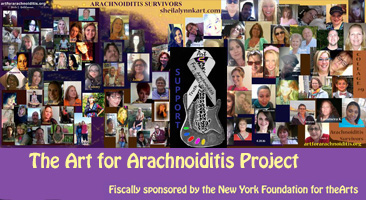

 FICTION FOR SURVIVORS ~ AN INTERNATIONAL SHORT STORY WRITING CONTEST & Fundraiser from SheilaLynnK Art Studio Wellsville, NY sheilalynnkart.com
 Art For Arachnoiditis